
 English
Views: 185 Author: Site Editor Publish Time: 2026-08-28 Origin: Site


When setting up a professional studio, one of the most crucial decisions you will make is choosing the right lighting. The lighting in your studio will affect not only the quality of your work but also the ambiance and mood of the space. Whether you are working in photography, videography, or any creative field that requires studio lighting, selecting the best light is key to achieving the perfect shot.
In this guide, we will explore the various types of studio lights, their features, and their uses, helping you determine which lighting solution is best for your studio needs.
Before we dive into which light is best for your studio, let’s first understand the different types of lights commonly used in professional studio settings. These lights come with varying features, intensity levels, and color temperatures, and each has a unique application.
LED lights have become a staple in modern studios due to their energy efficiency, durability, and versatility. These lights are perfect for both photography and videography. With adjustable color temperatures and dimming capabilities, they can be customized to suit different environments and creative requirements.
Pros: Energy-efficient, long-lasting, adjustable color temperature, portable.
Cons: Can be expensive, especially for high-end models.
Tungsten lights, or incandescent lights, are traditionally used in film and photography studios. These lights emit a warm, orange-toned light, ideal for creating a cozy or natural feel in your studio.
Pros: Warm light, ideal for portrait photography and certain video shoots.
Cons: High heat output, consumes more power than LED lights.
Fluorescent lights are another option often used in studio setups. These lights offer a cool, soft light and are great for general lighting. They are commonly used in commercial settings or for shoots where softer light is required.
Pros: Affordable, energy-efficient, less heat.
Cons: Color rendering may not be as accurate as other types of lights.
Softbox lights are designed to diffuse light evenly, creating soft shadows and reducing harsh highlights. They are commonly used in portrait and product photography because they provide a flattering, diffused light.
Pros: Soft, even light; ideal for portraits and product shots.
Cons: Bulky, requires space.
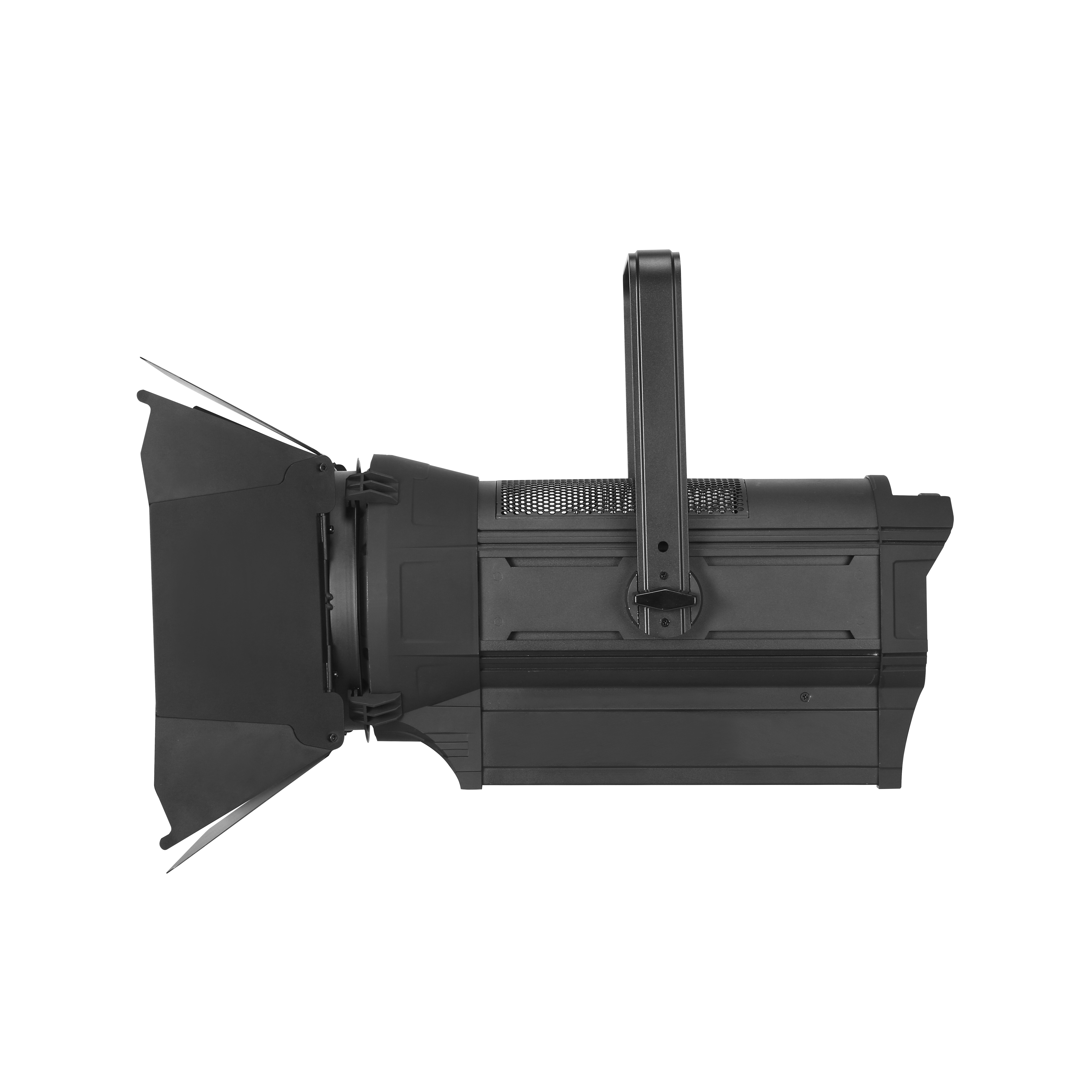
Choosing the right studio light is not just about the light source but also about how well it fits into your studio environment and creative goals. Here are some key factors to consider:
The intensity of your lighting affects how well your camera can capture details in your subjects. A light that is too dim may cause your images to be underexposed, while one that is too bright can create harsh shadows and highlights. Consider using dimmable lights to have more control over the intensity, especially in a dynamic shooting environment.
Studio lighting comes in different color temperatures, measured in Kelvins (K). For example, tungsten lights tend to have a color temperature of around 3200K, while daylight-balanced lights are usually around 5600K. Depending on the type of shot you're aiming for, you may need lights with a specific color temperature to match your subject and surroundings.
Daylight-balanced lights (5600K): Ideal for natural-looking shots, especially in daylight photography.
Tungsten lights (3200K): Perfect for warm, indoor shots and low-light settings.
The size and layout of your studio space will also influence the type of lighting you need. If you are working in a compact studio, LED lights may be the best choice due to their portability and low heat output. However, if you have a larger space, you may prefer larger fixtures like softboxes or fluorescent panels.
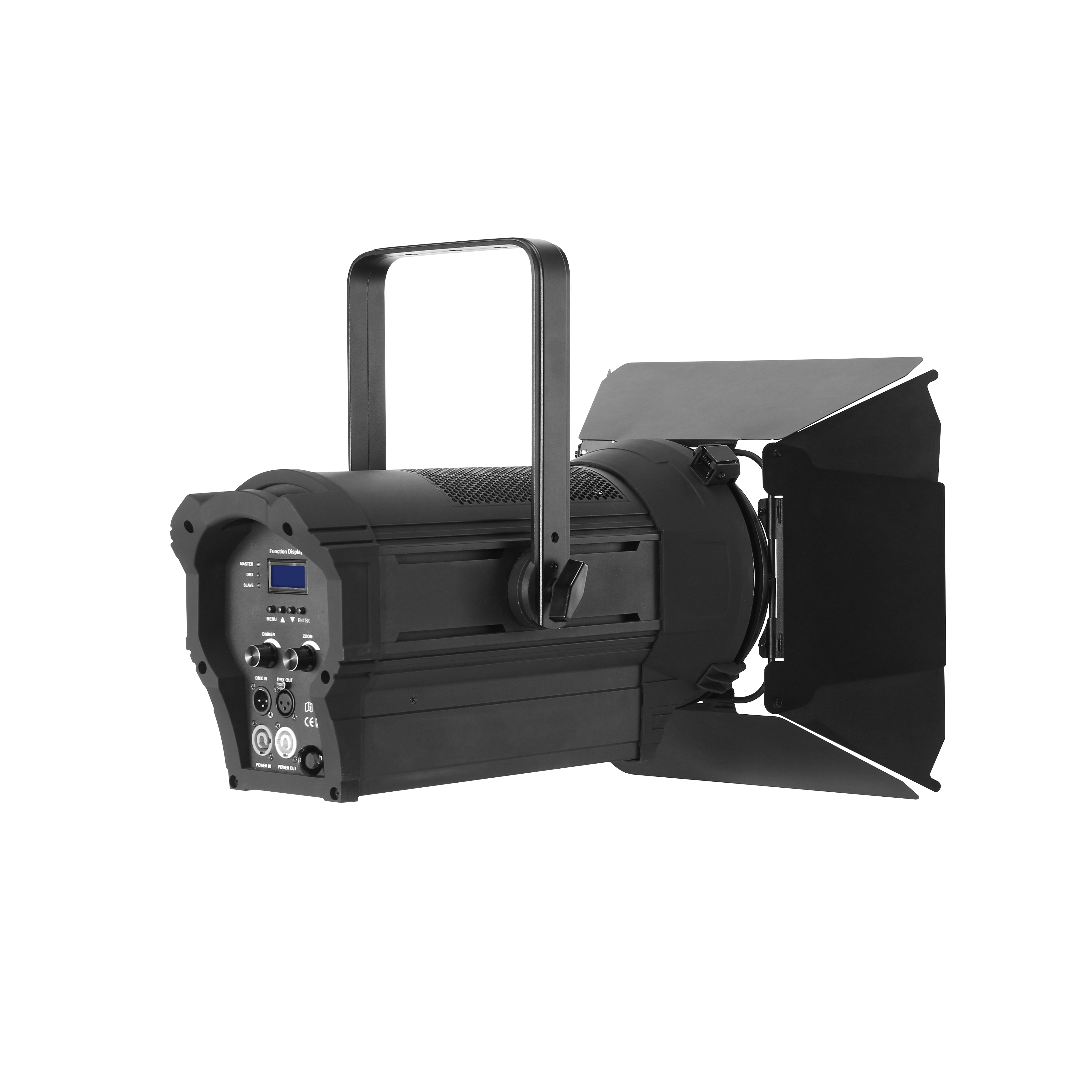
When it comes to studio lighting, LED lights are often considered the best option, especially for modern setups. Here are some reasons why you should consider using LED lights in your studio:
LED lights are highly energy-efficient, consuming less power compared to traditional incandescent or fluorescent lights. This is a significant advantage for long-duration shoots where lighting is kept on for extended periods. Lower energy consumption also means lower electricity bills, which is essential for large studios or when running multiple lights simultaneously.
LED lights have a much longer lifespan compared to other light types. They can last up to 50,000 hours, depending on the model, which means fewer replacements and lower maintenance costs over time. This makes LED lights a cost-effective option in the long run.
One of the main benefits of LED lights is their adjustability. Many LED lights come with features that allow you to modify the color temperature and brightness. This flexibility is essential when working with different environments or capturing various types of content, such as portraits, products, or videos.
Unlike tungsten lights, which generate significant heat, LED lights remain cool to the touch. This makes them a more comfortable and safe option for long photo sessions or video shoots, especially when working with talent or in small, confined spaces.
Here are some frequently asked questions to help you understand more about studio lighting and how to choose the best lights for your setup.
The number of lights you need depends on your shooting style and the type of shots you’re aiming for. For basic portrait photography, a key light, fill light, and backlight are often enough. However, for more complex setups, you may need additional lights to achieve the desired effects.
Yes, natural light can be used in a studio setting, but it’s not always reliable. Natural light can change throughout the day and is influenced by weather conditions. It’s best to use artificial lighting in combination with natural light to achieve more consistent results.
For video production, soft and even lighting is crucial to avoid harsh shadows and ensure the subject is evenly illuminated. LED lights with adjustable brightness and color temperature are typically the best choice for video production because they allow for fine-tuning during the shoot.
Choosing the right studio light can significantly enhance the quality of your work, whether you’re capturing photographs, creating videos, or engaging in other creative projects. LED lights, in particular, offer a versatile, energy-efficient, and long-lasting solution for most studio environments. However, depending on your needs and the type of creative work you do, other lighting options such as tungsten or softbox lights may also be suitable.
When setting up your studio, take the time to consider the size of your space, your lighting preferences, and your budget to ensure you choose the best lighting solution for your needs. Remember, the right light can transform your work, bringing out the finest details and creating stunning results every time.


