
 English
Views: 168 Author: Site Editor Publish Time: 2026-09-03 Origin: Site


Lighting plays a crucial role in visual production, whether you're a photographer, videographer, or content creator. It shapes how the subject is perceived and adds mood, depth, and texture to your shots. At AVQLIGHT, we understand that proper lighting is essential for high-quality results, and today, we are diving into one of the most fundamental principles of lighting: the golden rule of lighting.
The golden rule of lighting is a guideline that emphasizes the importance of positioning light sources in a way that creates flattering, dimensional, and well-balanced lighting. This rule is based on the concept of three-point lighting, which uses key light, fill light, and back light to shape and enhance a subject in a visually appealing way.
While lighting techniques may vary depending on the purpose and the desired outcome, the golden rule serves as a solid foundation for any lighting setup. It ensures that light works to your advantage, whether you're capturing still images or dynamic video footage.
To apply the golden rule effectively, it's essential to understand the three-point lighting system. Here’s a breakdown of the key components:
Key Light: This is the primary light source in your setup. It is the brightest and most direct light, usually placed at an angle to the subject, often to the left or right of the camera. The key light sets the mood and defines the subject's form.
Fill Light: The fill light softens and reduces shadows created by the key light. It's usually positioned on the opposite side of the key light, at a lower intensity. The purpose of the fill light is to fill in the darker areas, preventing harsh contrasts while maintaining some shadow detail for depth.
Back Light: Also known as the rim or hair light, the back light is placed behind the subject to create separation from the background. This light adds depth and highlights the subject's contours, creating a three-dimensional look.
By properly balancing these three lights, you can create a dynamic and engaging shot that emphasizes the subject while maintaining control over shadows and highlights.
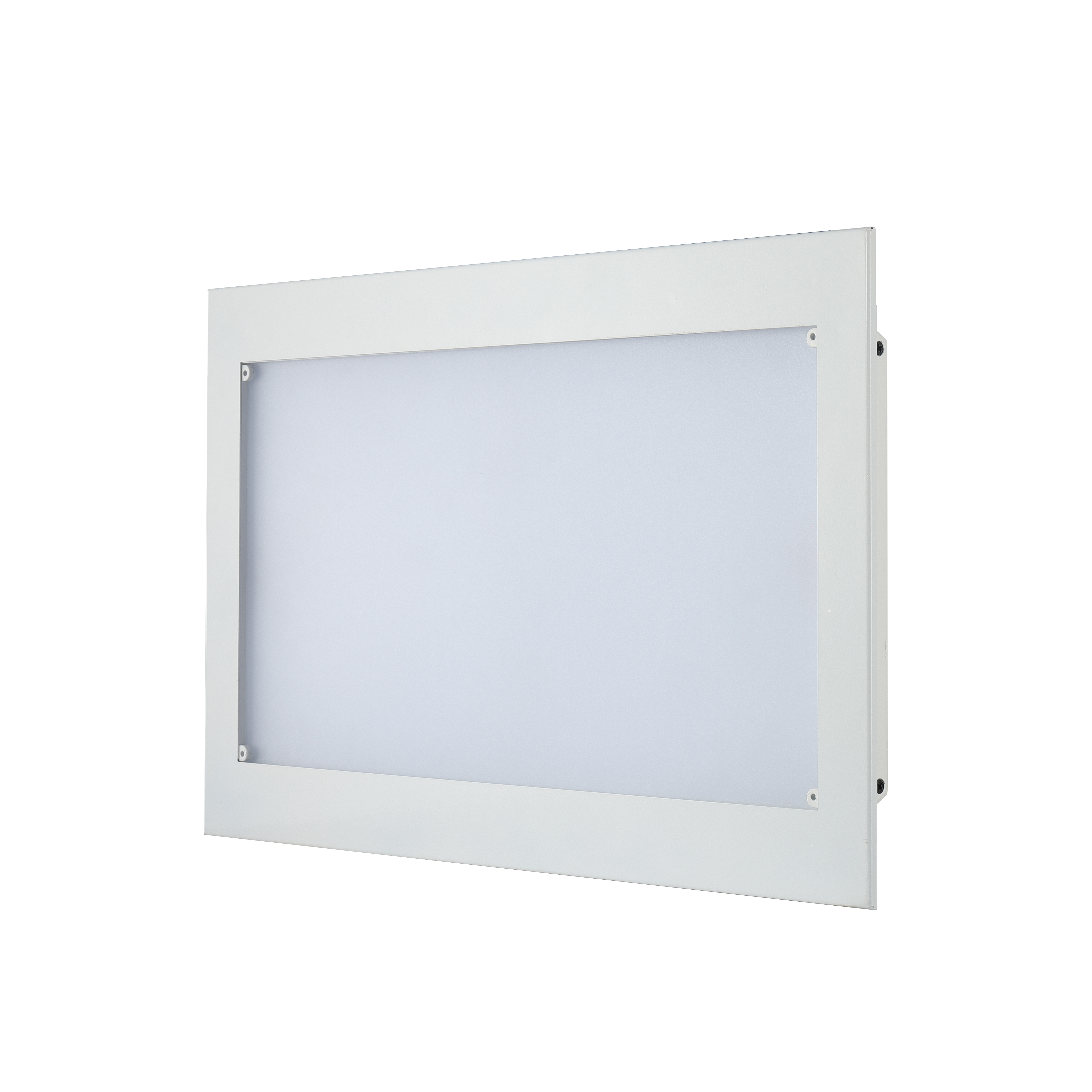
Studio lighting can vary significantly depending on the type of shoot, whether it's a portrait session, product photography, or a cinematic video. However, the golden rule of lighting provides a universal framework that ensures your subject is well-lit, no matter the scenario.
At AVQLIGHT, we focus on designing studio lights that help achieve this balance, providing soft and even illumination that enhances the overall quality of your content. Let’s explore the impact of each component on studio lighting setups:
Key Light: The intensity and angle of your key light can dramatically affect the mood and tone of your shoot. A hard light creates sharp, dramatic shadows, while soft light produces a more flattering and natural effect.
Fill Light: Without a fill light, the shadows produced by the key light would appear too harsh, potentially making your subject look overly dramatic or unflattering. The fill light softens the shadows, providing a more balanced and even lighting effect.
Back Light: The back light is crucial for creating separation between the subject and the background. This helps prevent the subject from blending into the background, ensuring clarity and definition.
While the basic principle of the golden rule remains the same, how it's applied can vary based on your specific needs. Here’s how it adapts to different lighting environments:
Portrait Photography: For portrait shoots, the golden rule of lighting is critical in creating depth and dimension. The key light typically falls on one side of the subject’s face, and the fill light softens the shadows on the opposite side, giving the subject a more flattering appearance.
Product Photography: In product photography, controlling shadows and highlighting the product’s features is essential. A strong key light is used to illuminate the product, while a fill light ensures the details are visible without overexposing certain areas.
Cinematic Lighting: Cinematic lighting often requires more dramatic and dynamic effects. The back light plays a significant role here in creating a silhouette effect or separating the subject from the background.
Even experienced photographers and videographers can make mistakes in lighting setups. Here are a few common errors and tips for avoiding them:
Overexposing the Key Light: When the key light is too strong or positioned incorrectly, it can overexpose the subject, resulting in harsh, unattractive lighting. Ensure the key light is at an appropriate distance and angle to avoid excessive brightness.
Underutilizing the Fill Light: Skipping the fill light or using it at too low an intensity can lead to overly dark, unflattering shadows. Make sure the fill light is strong enough to soften shadows without completely removing them.
Neglecting the Back Light: The back light is often overlooked, especially in portrait or product photography. However, its role in adding separation and depth is vital. Always consider using a back light to enhance the visual impact of your setup.
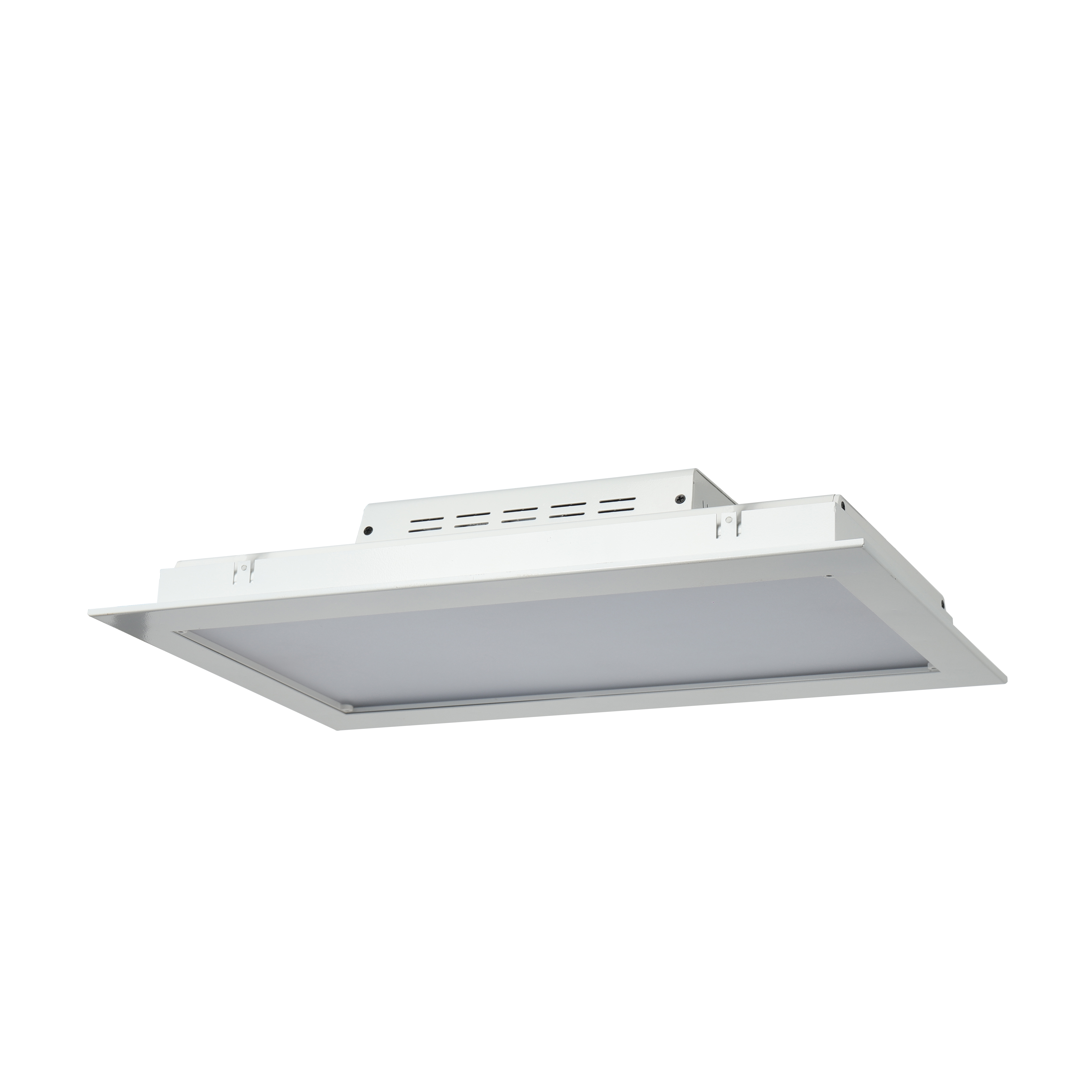
While the golden rule of lighting is typically associated with studio settings, its principles can also apply to outdoor photography. For instance, natural sunlight can serve as the key light, and reflectors can help fill in shadows. Adjusting the position of your light sources and utilizing backlighting can also enhance outdoor shots.
The best type of light depends on the effect you're aiming for. Softbox lights are a popular choice for even, diffused lighting, while LED panels offer adjustable brightness and color temperature. At AVQLIGHT, we provide a range of lighting solutions that can adapt to any studio environment.
For video production, balancing the lights is crucial for maintaining consistent exposure across your shot. Use a light meter or your camera’s built-in exposure settings to adjust the intensity of each light. Ensure that your key light is set to an appropriate level to avoid overexposure while using the fill light to soften shadows.
The golden rule of lighting serves as the cornerstone of any lighting setup, guiding the way you illuminate your subject. By mastering the art of three-point lighting and ensuring each light source is properly positioned, you can create professional-grade images and videos that captivate your audience.
At AVQLIGHT, we provide a variety of studio lighting products designed to help you achieve perfect lighting for every project. Whether you’re working in a small studio or a large space, understanding and applying the golden rule will elevate the quality of your work and ensure your subjects always look their best.


