
 English
English
English

Views: 0 Author: Site Editor Publish Time: 2026-07-25 Origin: Site


Outdoor events expose lighting rigs to extreme environmental variables. Driving rain, abrasive dust, UV degradation, and rapid temperature shifts constantly attack your equipment. A mid-show fixture failure is completely unacceptable. Production companies and venues rely heavily on consistent, flawless performance. High IP ratings, such as IP65 or IP66, protect internal components from initial exposure. However, they do not eliminate the need for proactive maintenance. In fact, maintaining the physical integrity of those rubber seals is the single biggest factor in fixture longevity. This comprehensive guide breaks down the operational realities of outdoor staging. You will explore necessary maintenance schedules, common pitfalls, and vital evaluation criteria. You will learn how to inspect pressure valves properly. We also cover safe optical cleaning methods. Following these steps ensures your Waterproof Moving Head Light investment yields a highly reliable return on investment.
IP Ratings require upkeep: A seal is only as good as its last inspection; gaskets and pressure valves require routine checks to prevent internal condensation.
Thermal management dictates lifespan: Cleaning external heat sinks and checking waterproof fans prevents thermal throttling and extends LED diode life.
SOPs prevent failures: Implementing strict post-show and monthly maintenance schedules reduces unexpected downtime.
Maintainability is a buying criteria: When shortlisting fixtures, evaluate them based on modularity, ease of seal replacement, and housing durability.
Many technicians treat outdoor fixtures exactly like indoor fixtures. This approach creates significant risks. Environmental stressors constantly challenge IP barriers over time. When a lamp operates, internal temperatures rise dramatically. The air inside expands and pushes outward. When you power the unit down, rapid cooling occurs. This creates a powerful internal vacuum effect. It aggressively sucks outside air, moisture, and fine dust toward the weakest seal points. Over time, even the best IP65 barriers weaken under this immense stress.
Constant UV exposure degrades rubber components quickly. UV rays bake the rubber daily. This bakes out the essential plasticizers. The rubber hardens and loses its vital elasticity. Saltwater environments cause aggressive corrosion on exposed metals. Physical touring wear heavily impacts structural integrity. A robust metal housing outdoor moving head light resists impacts better than plastic variants. However, even tough metal housings experience micro-abrasions. These abrasions can eventually compromise the delicate mating surfaces where gaskets sit.
Preventative maintenance costs very little. Replacing a degraded silicone gasket takes only minutes and costs roughly ten dollars. Neglecting this small step leads to catastrophic failures. Water ingress can instantly fry a main logic board. It can also destroy the primary DMX chipset. Repairing severe water damage often requires entirely new internal electronics. This easily costs thousands of dollars per fixture. It also damages your professional reputation during high-profile live events.
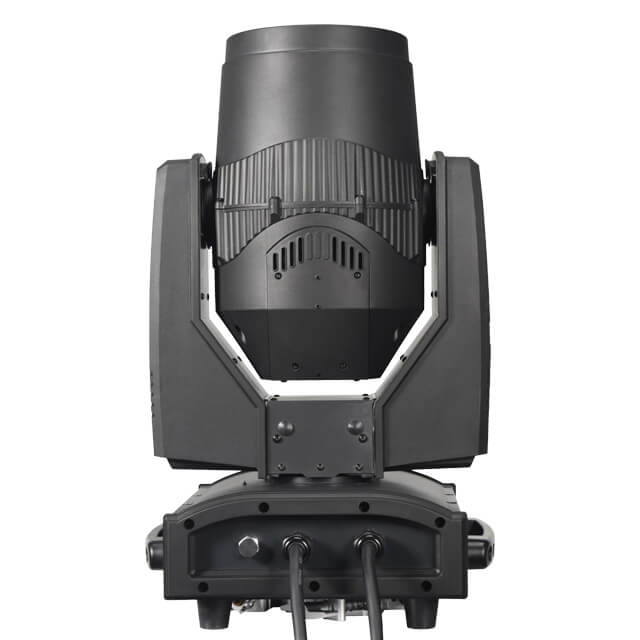
Start by inspecting O-rings closely. Check rubber gaskets and silicone seals for dry rot. Look for micro-cracks or severe compression fatigue. Compressed seals lose their elasticity over time. They cannot expand to fill tiny gaps when the metal housing flexes during transport. You must also test the pressure equalization valve. This breathable membrane is a highly critical component. Clear any debris blocking it. Ensure it releases trapped internal moisture efficiently. It must do this without letting outside water enter the fixture.
Safe cleaning protocols are absolutely vital here. A waterproof beam moving head light requires gentle care. Use non-abrasive, alcohol-free optical solvents exclusively. Anti-reflective coatings maximize light output. They ensure sharp gobo projections. Harsh chemicals easily strip these delicate coatings permanently. They leave a cloudy residue behind. Always check for internal lens fogging during inspections. Fogging serves as an early warning sign. It clearly indicates compromised seals or a failing breathable membrane.
Clear debris regularly from all external heat sinks. Confetti, abrasive dust, and bugs accumulate quickly outdoors. Inspect the IP-rated cooling fans thoroughly. A failing fan inside a waterproof LED moving head light is highly destructive. It directly degrades the diode lifespan through rapid heat accumulation. Finally, check all power and control connections. Inspect True1 or PowerCON ports for dirt. Examine DMX and Art-Net ports for early pin corrosion. Clean them using specialized electrical contact cleaners.
The Component Maintenance Focus Matrix below illustrates how to prioritize your inspection efforts effectively.
Maintenance Dimension |
Critical Components |
Primary Risk of Neglect |
Recommended Inspection Tool |
|---|---|---|---|
Seal Integrity |
O-rings, Gaskets, Pressure Valve |
Internal water ingress |
Magnifying glass, Torque driver |
Optical Clarity |
Lenses, Prisms, Glass Covers |
Reduced output, Blurry gobos |
Microfiber cloth, LED flashlight |
Thermal Control |
Heat sinks, IP-rated fans |
Diode failure, Thermal throttling |
Compressed air (low PSI), Anemometer |
Electronics |
True1 ports, DMX pins |
Signal dropouts, Power shorts |
Contact cleaner, Multimeter |
Immediate action extends fixture lifespan dramatically. Strike usually occurs late at night. Crews are often exhausted. However, skipping this step ruins expensive equipment. Wipe down all casings before loading them into road cases. Remove acidic rain residue completely. Clean off mud, fine dust, or sticky stage atmospherics. Perform a quick visual inspection of the external glass. Check the base ports for any trapped moisture. Never case a wet fixture. Moisture trapped inside a sealed road case breeds corrosion quickly.
Power on every fixture in your shop monthly. Test the pan and tilt torque manually. Pan and tilt belts stretch over time. Moisture causes micro-corrosion on stepper motor bearings. Testing torque manually reveals rough spots early. Reset all system calibrations via the main menu. Check for smooth DMX addressing responses. Apply any pending manufacturer software updates. Re-lubricate all external moving joints carefully. Use only manufacturer-approved lubricants. Choose non-petroleum-based options exclusively. Petroleum products quickly degrade rubber IP seals.
Establish a rigorous annual overhaul process. Replace all high-wear O-rings systematically. Swap out fatigued rubber gaskets before they fail. Perform a detailed torque check on all external chassis screws. You must ensure factory-spec compression on every seal. Follow these proven steps for a successful overhaul:
Remove the outer casing using a calibrated torque driver.
Extract the old silicone gaskets and discard them immediately.
Clean the metal mating surfaces using a gentle microfiber cloth.
Install the fresh O-rings evenly without stretching them out.
Re-tighten the chassis screws to the exact manufacturer torque specifications.
Many technicians lack proper torque tools. They often use standard power drills to close casings. This applies vastly uneven pressure across the gasket surface. It over-tightens screws to ensure a supposed "good seal." This mistake strips threaded holes rapidly. It overly compresses the rubber gaskets. Pinched gaskets tear easily under physical stress. Torn gaskets ultimately fail during heavy rain. You must always use a calibrated torque screwdriver.
Applying WD-40 is a terrible idea for IP fixtures. Harsh degreasers or ammonia-based cleaners cause massive damage. These chemicals eat right through waterproof adhesives. They dissolve delicate rubber membranes over time. Once the membrane degrades, water flows inside freely. Stick to mild soap solutions or approved silicone sprays. Always read the manufacturer guidelines before applying any chemical to the outer chassis.
Breaking the factory seal in high-humidity warehouses is highly dangerous. Warehouses often lack adequate climate control. Summer humidity easily reaches eighty percent. Trapping this humid air inside a sealed IP65 unit guarantees future failure. When the lamp eventually heats up on stage, this trapped moisture evaporates. It then condenses heavily on the internal lens. Always open fixtures in climate-controlled, low-humidity environments.
Production managers should prioritize specific physical features during the purchasing phase. Look for fixtures featuring easily accessible base connections. Modular heads allow for much faster road repairs. Touring environments demand speed. A dead fixture ruins the stage design. Modular components let you swap the entire LED engine in minutes. You leave the heavy base rigged safely on the truss. This keeps the show running smoothly.
Assess the difference between housing materials carefully. Cheap plastic alloys crack easily under touring stress. They warp under intense sunlight. Marine-grade aluminum offers superior durability. Reinforced composites also provide excellent touring resilience. Better materials maintain their exact seal geometry longer. This prevents micro-gaps from forming around the gaskets.
Choosing a dependable waterproof stage moving head light requires scrutinizing the manufacturer. Review their Service Level Agreement for replacement parts. Custom gaskets must be readily available locally. IP-rated fans should ship quickly. Waiting six weeks for a proprietary silicone gasket is unacceptable. Your fixture sits useless in the shop. Always verify domestic stock levels for consumables before committing to a brand.
Build a framework for testing demo units systematically. Check the access panels for logical design. Review the service manual for clearly stated torque specs. Analyze the external heat sink accessibility. Ensure your technicians can clean them easily. Use this checklist during your evaluation:
Measure the time required to access the main logic board.
Verify the availability of replacement pressure equalization valves.
Confirm the exact torque specifications for all external screws.
Evaluate the spacing between cooling fins for easy debris removal.
Reliable outdoor lighting requires a combination of high-quality engineering and disciplined maintenance. Implementing evidence-based maintenance routines protects your expensive investments effectively. Treating outdoor fixtures exactly like indoor units guarantees premature failure. You must adapt your procedures to match the harsh environmental realities of outdoor production.
Treat your waterproof moving heads as dynamic, breathing systems. Protect the fragile seals constantly. Manage the thermal heat effectively. Keep the lenses meticulously clean. If you follow these core principles, they will deliver consistent, brilliant performance regardless of the weather conditions.
Consult your production team immediately. Review your current standard operating procedures today. Update your maintenance checklists to reflect these realities. Contact your sales engineering team to evaluate highly maintainable IP65 or IP66 fixture options. Protect your inventory and ensure flawless outdoor shows every single time.
A: Condensation often indicates a blocked pressure valve. This valve normally lets moisture escape safely. If condensation is severe, move the fixture to a low-humidity, climate-controlled room. Carefully open the main casing. Allow the internal components to dry completely. Inspect the primary gaskets for any micro-cracks. Finally, reseal the fixture using a calibrated torque screwdriver to ensure proper compression.
A: A well-maintained waterproof LED moving head light matches indoor lifespans easily. You can typically expect over 50,000 hours of optimal performance. However, this lifespan depends entirely on thermal management. You must keep external heat sinks free of debris. You must also ensure all IP-rated fans function correctly. Good cooling prevents thermal throttling and protects the diodes.
A: Yes, specific tools prevent accidental damage. The most critical tool is a calibrated torque screwdriver. It ensures you tighten chassis screws to exact manufacturer specifications. This preserves the waterproof seals perfectly without crushing them. You also need non-abrasive optical cloths. Avoid harsh chemical solvents, as they degrade rubber gaskets rapidly over time.


