
 English
Views: 0 Author: Site Editor Publish Time: 2026-07-24 Origin: Site


Outdoor stages lack the reflective ceilings and controlled environments of indoor venues. This reality makes wide, even stage coverage a significant technical challenge. Lighting designers must battle ambient sunlight and unpredictable weather simultaneously. They cannot rely on standard indoor techniques. Achieving professional coverage requires precise spatial geometry and rigorous weatherproofing. You must plan strategic fixture distribution to succeed. Every choice impacts the final visual output for your audience. Without architectural bounce, you rely entirely on direct output to illuminate performers and scenery. This guide breaks down how to calculate mounting heights and establish truss zones. We also explore how to mitigate environmental risks effectively. You will learn actionable strategies to maximize performance from your lighting investment. We will help you ensure seamless transitions across large festival stages. Read on to discover how to eliminate dark spots and build a resilient rig.
Zoned Distribution: Wide coverage requires a tripartite approach—downstage wash, upstage depth, and floor-level aerial effects.
Mounting Height Math: Optimal height depends on the fixture’s beam angle and throw distance; overlapping beams by 15-20% prevents dark spots.
Environmental Compliance: Outdoor setups dictate strict adherence to IP65+ ratings and wind-load safety protocols for all suspended fixtures.
Fixture Matching: Strategic positioning dictates procurement—narrow beams for upstage effects, broad washes for front light, and specialized architectural moving head lights for structural framing.
Outdoor environments introduce severe photometrics challenges. Without structural walls, light dissipates rapidly into the night sky. Industry professionals call this the "open air" problem. You cannot rely on architectural bounce to fill shadows. Designers must rely entirely on direct output. Atmospheric haze becomes critical for making beams visible. However, outdoor winds blow haze away constantly. You should deploy high-output haze machines strategically. Place them upwind when weather permits. They give your lighting beams volume and shape.
Defining "wide coverage" requires clear success criteria. You must establish specific goals before hanging fixtures. A primary goal involves achieving an even color wash. This wash must cover wide prosceniums seamlessly. Stages often span 40 feet or more. You also need to eliminate harsh facial shadows on performers. Maintaining aerial effect visibility matters heavily for festival crowds. Fans expect highly immersive visual experiences.
Buyers face a common dilemma regarding fixture counts. Should you invest in fewer high-wattage units? Or do you buy a higher quantity of mid-tier units? A higher quantity often provides better continuous beam overlap. This overlap prevents distracting dark spots across the stage. Fewer bright units might create uneven hot spots. We recommend balancing intensity and quantity. This approach ensures smooth, professional coverage.
Creating a dynamic visual experience requires breaking the stage into functional zones. A structured approach guarantees you cover every angle perfectly. We strongly advise using an outdoor moving head stage light designed specifically for each zone.
The downstage truss serves as your primary illumination source. Its main purpose includes lighting human subjects clearly. You also use it for broad, sweeping color washes. Position these fixtures at a 45-degree vertical angle. They should also sit at a 45-degree horizontal angle. This specific geometry follows proven theatrical lighting principles. It prevents flat, unflattering lighting on cameras. It helps define facial features beautifully for the audience.
Spacing logic requires careful mathematical planning. Space the units based on their maximum wash angle. Consider the planned mounting height carefully. You want to ensure a minimum 15% beam overlap. This overlap guarantees smooth lighting transitions. Performers will not step into dark voids.
Your upstage and mid-stage trusses add massive visual complexity. Their purpose involves creating three-dimensional separation. They provide excellent backlighting and dynamic aerial transitions. This zone perfectly suits a waterproof beam moving head light. Tight beams cut through ambient stage light effectively. They punch through the atmosphere from a long distance. They create stunning geometric patterns right above the band. You can program them for high-energy chases.
Floor-mounted fixtures anchor the entire visual frame. They provide high-contrast silhouettes from below. Place them symmetrically along the upstage deck edge. You can also use them to flank drum risers safely. Always ensure they do not obstruct performer pathways. Ground units shoot intense beams directly into the night sky. They create massive visual scale for the audience. They make small stages look significantly larger.
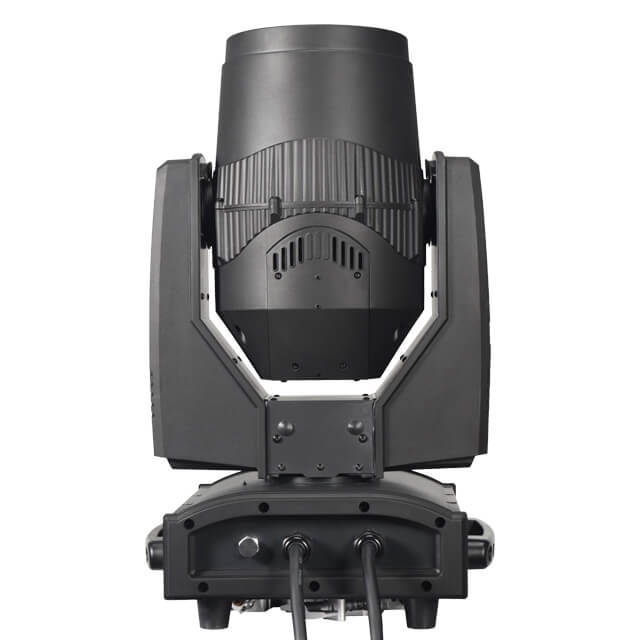
Understanding photometrics ensures you place fixtures correctly. The inverse square law dictates lighting performance outdoors. Doubling the throw distance requires four times the light output. This physical law heavily influences your fixture selection. High outdoor rigs demand extremely powerful light sources. You cannot expect a low-wattage fixture to punch through 30 feet. The light will dissipate before hitting the stage deck.
You must match mounting height to the specific lens angle. Different fixtures serve very different geometric purposes. For instance, consider an outdoor LED beam moving head light. A tight 5-degree beam requires a longer throw distance. This extended distance lets the beam expand properly. It makes the visual effect look intentional and grand. Conversely, a 40-degree wash fixture works best at closer ranges. Wide angles dissipate light energy much faster.
Beam Angle | Ideal Mounting Height | Primary Stage Application | Spacing for 15% Overlap |
|---|---|---|---|
5 - 10 Degrees | 25 - 40 Feet | Aerial Effects & Punch | 8 - 10 Feet |
15 - 25 Degrees | 20 - 30 Feet | Spotlighting Performers | 6 - 8 Feet |
30 - 45 Degrees | 15 - 25 Feet | Broad Stage Washing | 4 - 6 Feet |
Avoiding line-of-sight conflicts requires proactive coordination. High mounting positions often intersect sound and video equipment. You must plan rigging heights to clear line array PA systems. The lighting beams must also avoid hitting LED video walls. Unintended light spill washes out video screens instantly. It ruins the contrast for image magnification cameras. You should review the entire stage plot carefully. Speak with the audio engineers before finalizing truss heights.
Outdoor stages expose delicate electronics to harsh conditions. An Outdoor Moving Head Light must carry a minimum IP65 rating. This rating protects against sudden downpours and severe dust ingress. Sealed housings prevent moisture from destroying sensitive motherboards. High IP ratings drastically reduce maintenance downtime between shows. You spend less time cleaning internal lenses. You avoid catastrophic failures during live performances.
Wind load represents a severe structural threat. Moving heads possess significant physical profiles. They act like sails in high winds. You must factor their weight into wind load calculations. Temporary outdoor truss roofs have strict weight limits. Overloading a truss during a storm invites catastrophic failure. Always consult a certified rigger for temporary structures. They will calculate the maximum safe payload.
Fail-safe mounting standards protect crews and performers. You must use rated, integrated clamps for every fixture. We mandate secondary safety cables for all suspended units. These steel bonds catch the fixture. They save lives if the primary clamp fails. You should inspect all hardware before lifting the truss.
Power and data topologies require equal protection. Standard indoor cables fail quickly in exposed environments. You must run weatherproof DMX or Art-Net cables. Power distribution boxes need elevated platforms. This elevation avoids dangerous standing water. Wrap all connection points securely. Use specialized waterproof tape to prevent moisture intrusion.
Strategic positioning dictates your actual procurement process. You must match specific technical specs to physical positions. This targeted approach maximizes your total lighting impact. It ensures every dollar spent translates to visual value.
Here are the ideal fixture pairings for outdoor zones:
Downstage Positions: Choose high-CRI LED wash fixtures. They render skin tones naturally and brightly. Cameras require excellent color rendering for live streams.
Upstage and Floor Positions: Select high-intensity beam or spot hybrids. They create stunning mid-air textures and silhouettes. They provide crisp gobos for visual interest.
Set Design and Perimeter: Deploy an architectural moving head light. Use them to illuminate flanking structures or surrounding trees. They expand the visual footprint of the entire festival.
Scalability determines how easily your rig goes together. Choose fixture ecosystems offering robust power linking. Daisy-chaining power and data reduces cable runs significantly. Large outdoor stages require hundreds of feet of cabling. Simplified cabling topologies save hours during load-in. They also reduce the risk of signal failure. Always calculate your total amperage draw per circuit. Do not exceed power distribution limits.
Your next steps should involve digital visualization. We highly recommend mapping out a 3D CAD plot. You can use industry-standard software to build this. You can also draft a basic 2D lighting plot. Do this before finalizing any purchase orders. Software models help validate your coverage calculations accurately. They expose dark spots before you hang a single light. They let you pre-program complex shows efficiently.
Successful outdoor lighting requires blending spatial geometry and strict safety protocols. Correct fixture specification ensures your stage looks incredibly professional. Careful positioning prevents over-purchasing unnecessary equipment. It maximizes the visual impact of every unit on your rig. You should rely on detailed planning rather than guesswork. A well-positioned rig withstands adverse weather effortlessly. It delivers stunning visuals regardless of ambient conditions. Consult technical sales engineers early in your design process. Utilize photometric data sheets to model your specific stage dimensions. Secure your equipment properly to ensure safe, spectacular outdoor performances. Your audience will appreciate the seamless, immersive experience.
A: Space them so their beams overlap by roughly 15-20% at performer head height. This usually dictates spacing them 4 to 8 feet apart. The exact distance depends heavily on the fixture's specific beam angle and your total truss height.
A: We highly discourage this practice. Wind-blown rain, humidity, and dust easily bypass non-sealed housings. This exposure leads to rapid motherboard failure and voids manufacturer warranties. You should always opt for properly rated IP65 units for outdoor events.
A: No. Professional moving heads operate perfectly in any orientation. You must simply ensure the rigging hardware is load-rated for the specific fixture weight. Modern DMX settings easily invert pan and tilt controls to normalize joystick operation.


