
 English
Views: 0 Author: Site Editor Publish Time: 2026-06-11 Origin: Site


Nightlife crowds often grow tired of hyper-kinetic, cold laser setups. These intense arrays dominate modern dance floors heavily. Event-goers increasingly crave warm, nostalgic visual experiences. They want lighting designs feeling intimate rather than overwhelming. Enter the modern Retro Stage Light. It pairs classic tungsten aesthetics with cutting-edge LED engines. It also incorporates advanced DMX control systems. This hybrid design delivers a classic thermal glow perfectly. It simultaneously eliminates the massive power draw of old-school halogen bulbs. This article serves as a technical guide. We will help venue owners, lighting designers, and professional DJs evaluate these vintage-style fixtures. You will learn how to balance aesthetics with modern functionality. We will explore audience psychology, rigging considerations, and DMX compatibility deeply. Ultimately, you will discover how to elevate your visual production. You can achieve this using modern technology disguised brilliantly as classic hardware.
Visual Differentiation: Retro stage lights provide a distinct, warm aesthetic that breaks the monotony of standard beam/wash setups.
Modern Efficiency: Contemporary retro fixtures utilize LED engines, drastically reducing power draw and heat output compared to authentic vintage halogens.
Advanced Control: Modern retro units offer full DMX512 pixel mapping, allowing for complex matrix effects, strobing, and seamless integration into existing light shows.
Scalability: Selection must be dictated by use-case—heavy aluminum fixtures for permanent club installations vs. lightweight, high-durability units for mobile DJs.
Lighting directly controls human emotion inside any venue. Fast strobes build high energy quickly. Cold lasers create a futuristic atmosphere instantly. However, these aggressive elements cause sensory fatigue over time. Audiences need visual breathing room. Warm color temperatures solve this problem beautifully. Colors between 2800K and 3200K create deep intimacy. They mimic old incandescent bulbs perfectly. They bathe the room in a flattering, golden glow. This creates a highly comfortable environment. People relax faster under warm light. They enjoy the ambiance more. This directly impacts audience psychology.
Furthermore, warm lighting creates an "Instagram-ready" backdrop. Smartphone cameras capture warm tones exceptionally well. The soft glow illuminates faces beautifully. It never blinds the crowd during photos. Guests share better pictures on social media. This drives organic marketing for your venue. Brand differentiation matters heavily today. Venues must stand out constantly. Incorporating vintage-style visual elements helps greatly. It positions a venue as premium or boutique. DJs using these fixtures look highly professional. The aesthetic appeals directly to high-end clients. It separates you from standard mobile setups.
You must define success criteria for any upgrade. Do not measure success by raw brightness alone. Instead, look at extended audience dwell times. Monitor the quality of event photography. Notice the reduction in general lighting fatigue. People stay longer when lighting feels comfortable. They engage more with the performance. Good lighting supports the music seamlessly. It should never distract the audience. Evaluating your return on investment involves looking at these behavioral shifts. Improved atmosphere leads to better reviews. Better reviews lead to higher bookings.
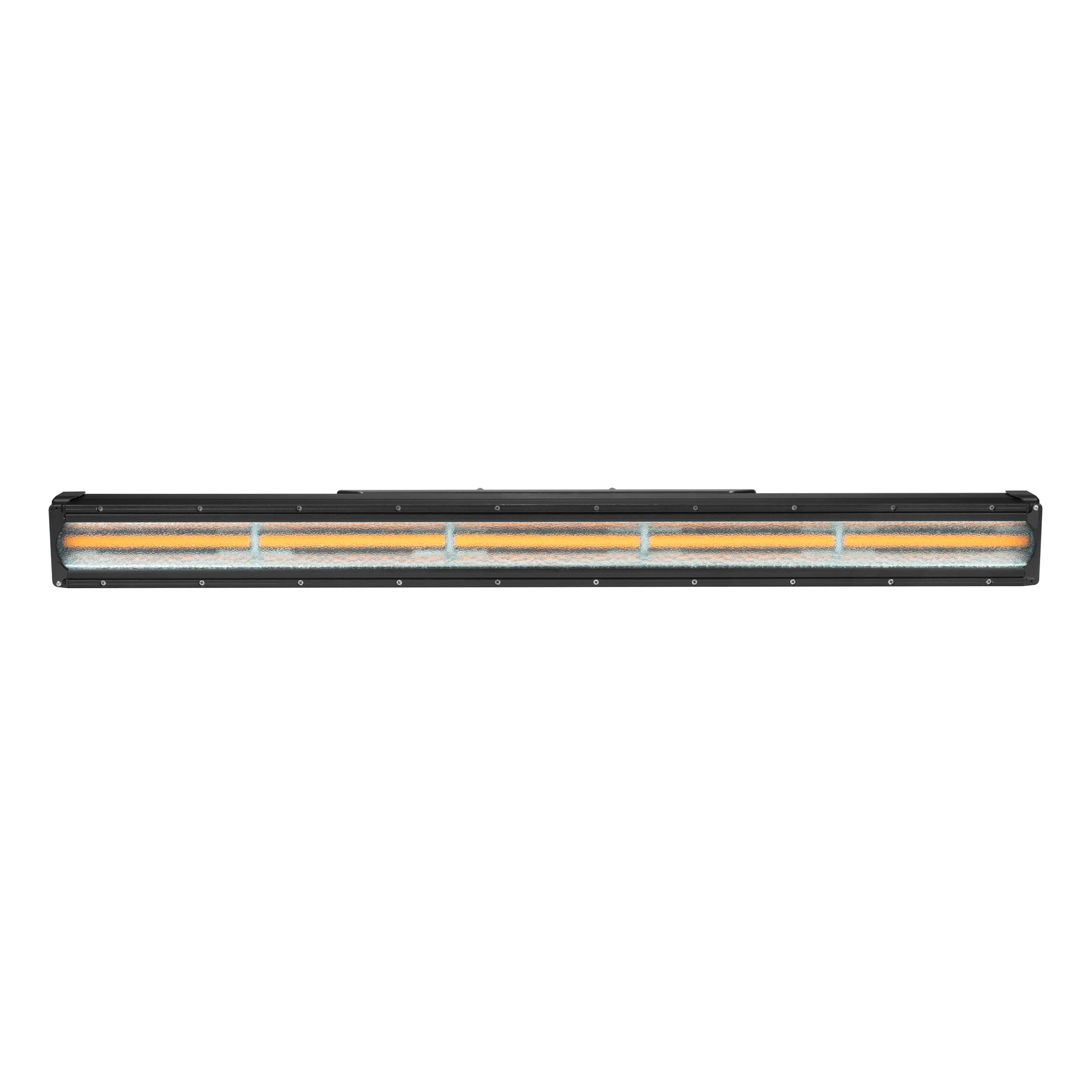
You face a definitive choice during procurement. You must choose between authentic vintage fixtures and modern LED alternatives. Authentic halogen units offer undeniable charm. They use actual heated filaments. They provide genuine smooth dimming curves inherently. They emit a true thermal glow. Many purists still demand them for specific theatrical applications. However, they carry severe operational penalties. They consume massive amounts of power. You need dedicated high-amperage circuits. They generate excessive heat constantly. This heavily burdens your venue HVAC system. You must replace burnt-out bulbs frequently. You also need heavy, expensive dimmer packs to control them.
Modern LED models represent the new industry standard. They offer incredibly low power draw. They maintain safe operating temperatures all night. These units include built-in DMX decoders natively. They feature dynamic RGB and amber blending. This blending sits behind vintage-style diffusers. The diffusers hide the individual LED diodes. This preserves the classic look seamlessly. Unfortunately, cheaper LED models do exist. They often suffer from "steppy" dimming curves. They might show unnatural color rendering. They can look cheap and artificial.
You must evaluate LED fixtures carefully. Always prioritize fixtures offering a high Color Rendering Index. We recommend a CRI greater than 90. High CRI ensures natural skin tones. Ensure they feature 16-bit dimming. High-resolution dimming mimics true tungsten behavior perfectly. It allows for ultra-smooth fades to black. It eliminates sudden brightness jumps.
Feature | Authentic Vintage (Halogen) | Modern Retro LED |
|---|---|---|
Power Consumption | Extremely High (Often 1000W+) | Very Low (Usually under 100W) |
Heat Output | Severe (Fire hazard, HVAC strain) | Minimal (Safe to touch) |
Dimming Curve | Naturally Smooth (Thermal fade) | Requires 16-bit for smooth fade |
Color Control | Fixed (Requires physical gels) | Dynamic (RGB/Amber blending) |
Maintenance | High (Frequent bulb replacements) | Low (50,000+ hour lifespan) |
Scaling your rig requires careful planning. Mobile DJ setups demand extreme portability. Quick-locking mechanisms become essential. Standalone and sound-active modes help immensely during rapid deployments. You must prioritize lightweight aluminum housings. However, you must watch out for specific risks. Fragile exposed "filament" styles break easily during transit. The glass tubes shatter under impact. We highly recommend custom flight cases. They protect your investment perfectly. Foam inserts prevent transit damage.
Medium to large club installations face different challenges. DMX channel management becomes the primary focus here. Pixel mapping multiple retro blinders requires high channel counts. A single advanced fixture might use 30 channels. Daisy-chaining ten fixtures consumes an entire DMX universe quickly. You need capable lighting consoles to manage this. You must plan your addressing meticulously.
Rigging considerations also play a huge role. Permanent installations handle heavier fixtures easily. You must calculate weight limits on your trussing always. You need heavy-duty clamps rated for overhead use. Safety cables are mandatory for every unit. You must daisy-chain PowerCON cables efficiently. This keeps your rig looking clean. Ensure you never exceed the amperage limits of your power cables. Professional Stage lighting demands rigorous safety standards. Proper cable management prevents signal interference. Use shielded DMX cables universally.
Always use secondary safety cables attached to the main truss.
Calculate total amperage before linking PowerCON connections.
Use 120-ohm DMX terminators at the end of your signal chain.
Invest in custom road cases with hard-shell exteriors for touring.
Label all fixture addresses clearly on the bottom casing.
Many operators make easily avoidable mistakes. Overpowering the room happens constantly. Operators treat retro blinders like modern strobe lights. Misusing retro blinders at 100% intensity causes literal pain. It creates audience discomfort instead of atmospheric warmth. You should use them as subtle eye-candy. Run them at 20% to 30% intensity normally. Save full brightness for massive drops. Use the punch carefully to maintain its impact. Constant high brightness causes severe eye fatigue.
Inconsistent color matching ruins the vintage illusion entirely. Mixing different brands causes major headaches. The "warm white" temperatures often clash terribly. One fixture might output 2700K. Another might output 3500K. One looks orange. The other looks almost yellow. This discrepancy looks highly unprofessional on camera. Stick to a single brand for your primary background aura. Test color blending before live shows.
Software compatibility presents another major risk. Do not purchase generic fixtures blindly. They often lack proper profiles in standard software. Systems like SoundSwitch, Rekordbox Lighting, and GrandMA require accurate profiles. Without them, pixel mapping becomes impossible. You will lose advanced control features. You might only get basic dimming. Creating custom profiles takes hours of tedious work. Check the software library before buying.
Running background aura LEDs at maximum brightness continuously.
Mixing 3-pin and 5-pin DMX cables without proper isolation.
Ignoring the fixture's internal cooling fan noise in quiet venues.
Assuming all "amber" LEDs produce the exact same color wavelength.
Specifying the right equipment requires a logical approach. The market offers countless variations. You need a structured shortlisting process. This prevents buyer's remorse. It ensures your rig functions seamlessly. Follow these three critical steps before purchasing.
Assess DMX Profile Complexity: Decide between basic control and extended modes. Basic control uses only intensity. It requires minimal channels. Extended modes offer individual pixel mapping. They control background aura effects separately. Ensure your current controller handles the required channel count.
Inspect Build Quality: Filter out plastic-housed units immediately. Plastic warps under heat. It cracks during transport. Mandate die-cast aluminum for durability. Aluminum also provides passive cooling. This extends the lifespan of the internal electronics. Look for heavy-duty mounting yokes.
Evaluate the Matrix: Compare single-source blinders against multi-cell panels. Base this on your available truss space. Base this on your budget constraints. Multi-cell panels offer massive visual impact. Single-source blinders offer flexible placement options.
Fixture Format | Best Use Case | DMX Channel Demand | Space Requirement |
|---|---|---|---|
Single-Source Blinder | Mobile DJs, Small Stages | Low (1-5 Channels) | Minimal |
Dual-Cell Array | Medium Clubs, Front Wash | Moderate (10-15 Channels) | Moderate |
Six-Cell Hex Panel | Large Festivals, Matrix Effects | High (30+ Channels) | Extensive |
We strongly recommend a clear next-step action. Request a demo unit first. Verify the fixture's DMX library availability. Do this before committing to a bulk purchase. Testing a unit prevents costly configuration errors later. Check the dimming curve with your own eyes. Test the color mixing against your existing rig.
The vintage lighting trend represents an evolution in design. It is never a regression in technology. It successfully merges classic warmth with modern LED efficiency. This fusion transforms ordinary events into memorable experiences. Venues and DJs can create stunning atmospheres easily. They achieve this without overtaxing their electrical grids.
Prioritize dimming curve quality over raw brightness for better aesthetics.
Verify DMX flexibility to ensure seamless integration with your software.
Invest in durable aluminum housings to protect delicate components.
Match color temperatures perfectly across your entire visual rig.
Utilize professional flight cases for all mobile deployments.
Make your final purchase decision based on atmospheric impact. Focus on audience comfort. A well-designed vintage setup elevates your brand instantly. It keeps audiences engaged longer. It modernizes your workflow while respecting classic design principles.
A: Yes, provided the fixture uses 16-bit dimming and features a dedicated "tungsten emulation" mode to mimic thermal fade. Cheaper 8-bit fixtures will show noticeable stepping. High-end units intentionally delay the LED shut-off to perfectly simulate a cooling filament.
A: It varies from 1 to 3 channels for basic dimming, up to 30+ channels for fixtures with individually addressable RGB backlights and pixel-mapped main bulbs. Always verify your console has enough available universes before purchasing complex multi-cell panels.
A: Only if specified with an IP65 rating. Standard indoor (IP20) retro fixtures are vulnerable to moisture and dust ingress due to their open-reflector designs. Outdoor models use sealed glass faces and waterproof power connectors to ensure safe operation in wet conditions.


