
 English
Views: 0 Author: Site Editor Publish Time: 2025-12-02 Origin: Site


Lighting is an essential component of any event or production, whether it's a live concert, a theater performance, a corporate event, or a photo shoot. Different types of lighting are designed to meet specific needs and settings. Two common categories of lighting are stage lights and studio lights, both of which serve important roles in their respective fields but differ greatly in their design, functionality, and usage.
In this article, we will explore the differences between stage lights and studio lights, covering their key features, applications, and how to choose the right lighting for different environments. Let’s dive in!
Lighting plays a crucial role in shaping the atmosphere of an event or a production. Whether you're hosting a large concert, a corporate event, a photoshoot, or shooting a film, lighting is one of the primary tools to create the right mood, highlight key elements, and engage your audience.
While stage lights and studio lights may seem similar at first glance, they are designed for vastly different environments and purposes. Understanding these differences will help you choose the right lighting solution, ensuring that your production is as visually captivating as it is memorable.
Stage lights are specialized lighting equipment used primarily in live performance settings, such as concerts, theater productions, dance shows, and outdoor events. They are designed to provide dynamic lighting effects that change in real-time, often synchronized with music or performance cues.
Unlike regular lighting, stage lights are often adjustable, movable, and capable of producing a wide range of effects. From highlighting performers to setting the mood or atmosphere, stage lights can transform a simple performance into an immersive visual experience.
Stage lights come in many forms, each serving a unique purpose. Below are some of the most commonly used types of stage lights:
Type of Light | Description | Best Used For | Key Features |
LED Moving Head Lights | Versatile lights with a moving head that can change direction and angle. | Concerts, live performances, dance shows | Adjustable beam angles, bright, energy-efficient |
Beam Lights | Narrow, intense beams of light used for dramatic effects. | Nightclubs, festivals, concerts | High intensity, tight beam angle |
Wash Lights | Lights that spread light evenly over a large area, creating soft lighting. | Stage lighting, backdrop illumination | Soft light, adjustable intensity |
PAR Lights | Lights with a parabolic reflector that provides a wash of light. | General stage lighting, accent lighting | Wide coverage, colorful effects |
Laser Lights | Light sources that emit laser beams for high-impact visual effects. | Outdoor events, light shows, concerts | Bright, colorful beams, synchronized control |
Follow Spots | Adjustable spotlight that focuses on a performer or subject. | Concerts, theater productions, performances | Focused beam, adjustable intensity |
Each of these lights has unique characteristics and is used to create different effects, depending on the setting and desired visual impact.
Studio lights are specialized lighting tools used in controlled environments, such as photography studios, film sets, and broadcast studios. These lights are designed to provide consistent, controlled lighting that can be adjusted to suit the specific needs of the production.
Unlike stage lights, which are often dynamic and mobile, studio lights are typically stationary and offer more precision. The goal of studio lighting is to create the perfect lighting conditions for capturing high-quality images or video footage, making it ideal for photography, film production, and live television broadcasts.
Studio lighting comes in a variety of forms, each serving a particular role in the photography or video production process. Below are the most common types of studio lights:
Type of Light | Description | Best Used For | Key Features |
Softboxes | Light modifiers that diffuse the light to create soft, even illumination. | Portrait photography, product shots | Soft, even lighting, reduces shadows |
LED Panels | Flat, energy-efficient panels that provide consistent light for photography. | General studio lighting, video shoots | Adjustable color temperature, energy-efficient |
Fresnel Lights | Lights with adjustable lenses that create a focused beam or soft light. | Film production, TV shows | Adjustable beam angle, precise control |
Ring Lights | Circular lights designed to create even lighting for portraits or close-ups. | Beauty shots, product photography | Soft, shadow-free lighting, flattering for faces |
Strobe Lights | High-intensity flashes that provide a burst of light for capturing fast-moving subjects. | Studio photography, fashion shoots | High power, short duration bursts |
Each type of studio light is tailored to create specific lighting effects needed for various photography or video production tasks. These lights are often stationary and designed for precision rather than movement.
The primary difference between stage lights and studio lights lies in their intended use. Stage lights are designed for dynamic, live events, where the lighting must be constantly adjusted to match the energy of the performance. These lights are often used to enhance the mood, create special effects, and spotlight performers.
On the other hand, studio lights are used in controlled environments for tasks that require precise, even lighting. Their purpose is to illuminate subjects in a way that highlights their details without the need for constant adjustment. Whether it’s for a portrait, product photography, or film production, studio lights are designed to ensure consistent, high-quality lighting.
Stage lights are generally much more powerful than studio lights. This is because stage performances often take place in large venues where a high level of brightness is required to ensure visibility. Stage lights need to cover wide areas and reach large audiences, which is why they are designed with higher intensity and wider beam angles.
In contrast, studio lights are typically softer and more controlled. Since the subjects are closer to the light source in a studio setting, the light intensity is lower and more focused. The goal is to create flattering lighting that doesn't overpower the subject.
One of the biggest differences between stage lights and studio lights is the level of adjustability. Stage lights often come with sophisticated control systems such as DMX, which allows operators to adjust the light’s color, angle, intensity, and effects in real-time. This dynamic control is essential for creating the dramatic, synchronized effects required in live performances.
Studio lights, however, are more static and are usually manually adjusted to achieve the desired look. While some studio lights, like LED panels and softboxes, can be controlled for color temperature and intensity, they don’t offer the same level of real-time effects and adjustments that stage lights do.
Stage lights are built to withstand the rigors of live performances, often in unpredictable environments. Many stage lights are designed to be rugged, portable, and weather-resistant, especially for outdoor events or performances in large venues. The housing of stage lights is typically made of durable materials to ensure long-lasting performance.
Studio lights, on the other hand, are designed for stationary use in controlled environments. They are generally not built to withstand the same harsh conditions as stage lights and tend to have more delicate components. While studio lights are still durable, they are not intended for heavy usage or mobility.
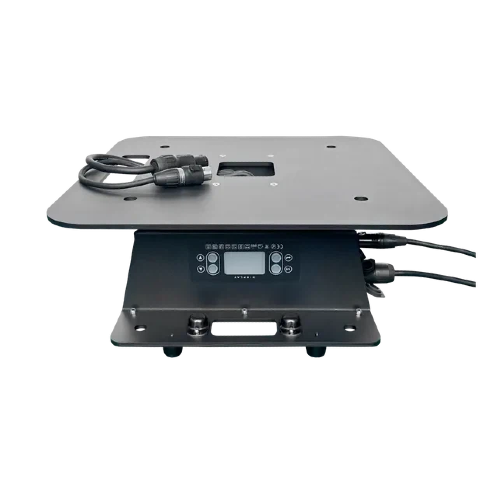
Stage lights are crucial in live events, where they help create an immersive experience for the audience. From highlighting performers to setting the mood, stage lights are used to accentuate key moments of a performance. Moving head lights, beam lights, and wash lights are commonly used in concerts to create dramatic effects and enhance the overall energy of the event.
For theater productions, stage lights help direct the audience’s focus to specific actors or scenes. For example, follow spots are used to track the lead actor, while wash lights create atmospheric backgrounds.
Studio lights are essential for capturing high-quality images or video footage in a controlled setting. Whether it’s for portrait photography, product photography, or video production, studio lights provide the consistency and precision needed to create professional results.
For example, softboxes are often used in portrait photography to provide soft, flattering light, while Fresnel lights are used in film production to create focused lighting with precise control over the beam angle.
When selecting stage lights for your event, it’s important to consider the type of performance, the size of the venue, and the effects you want to create. For example:
For large venues or outdoor events, powerful beam lights and LED moving heads are necessary to cover large areas.
For more intimate performances, PAR lights and wash lights may provide the subtle effects needed.
When choosing studio lights, the key factors to consider include the type of photography or video work you’re doing, the size of the studio, and the desired lighting effect. For example:
If you’re photographing a product, LED panels or softboxes can provide even, diffused lighting.
If you’re shooting a film, Fresnel lights may be necessary to achieve dramatic effects or controlled lighting.
Understanding the difference between stage lights and studio lights is key to selecting the right lighting for your event or production. Stage lights are designed for dynamic, live settings where real-time adjustments and dramatic effects are essential. On the other hand, studio lights are focused on delivering precise, controlled lighting, ideal for photography and film production.
Whether you're organizing a concert, shooting a film, or setting up a photo shoot, choosing the right lighting solution can greatly impact the overall success of your production. If you're looking for high-quality, customizable stage lights that can elevate your event or performance, consider reaching out to Guangzhou Baiyun District Shijing Taifeng Stage Lighting and Sound Equipment Factory. With extensive experience in the industry, they offer a wide range of professional lighting solutions tailored to your specific needs. Our team can guide you in selecting the perfect lighting setup to create the ideal atmosphere for your event.
Stage lights are much more powerful than studio lights, designed to cover large areas and illuminate large venues. Studio lights, on the other hand, are softer and more focused, suitable for small, controlled settings like photography studios.
While studio lights are suitable for controlled environments, they are generally not bright enough or adjustable enough for live performances. Stage lights are better suited for such events.
Yes, stage lights often use advanced DMX control systems that allow for real-time adjustments to color, angle, intensity, and effects.
Studio lights are versatile in creating soft and precise lighting, but stage lights offer more dynamic flexibility, allowing for dramatic effects and real-time control for live performances.
Studio lights, particularly LED panels, are generally more energy-efficient, while stage lights can consume more power due to their higher brightness and larger coverage areas.


