
 English
Views: 0 Author: Site Editor Publish Time: 2025-12-04 Origin: Site


Lighting is one of the most essential elements of any stage production. Whether it’s a concert, theater performance, or corporate event, the right lighting can significantly enhance the experience for both the audience and the performers. When it comes to stage lights, understanding the 3 Lighting Rule is crucial for achieving balanced and visually engaging results.
In this article, we will explore what the 3 Lighting Rule is, the three types of lighting involved, how to apply them in a stage setting, and the benefits of using this rule. By the end, you’ll have a solid understanding of how to use lighting to improve your event or performance.
The 3 Lighting Rule is a fundamental concept in stage lighting that uses three types of lights: key light, fill light, and back light. These three lights work together to create depth, clarity, and visual interest, ensuring that performers and key elements on stage are properly illuminated.
In essence, the 3 Lighting Rule is about achieving balance. When used correctly, it ensures the subject (or performer) is well-lit, free of harsh shadows, and separated from the background. The rule also helps create the mood or atmosphere of the performance, whether it’s dramatic, soft, or energetic.
The key to applying this rule lies in knowing how to use stage lights effectively to enhance the overall performance and engage the audience visually.
The 3 Lighting Rule relies on three key types of lighting, each serving a different function. Let’s break down each type of lighting and its role in stage production.
The key light is the most important light in stage lighting. It is the primary source of illumination, usually positioned at a 45-degree angle from the performer or subject. This light provides the main exposure and is the light that defines the subject’s appearance. The key light is typically the brightest and strongest light source on stage.
Key lights are often created using focused, intense lighting such as:
Spotlights
Fresnel lights
PAR lights
These lights create strong illumination with focused beams, making them perfect for highlighting the subject and giving clarity to the performer’s face or body movements.
Light Type | Description | Ideal Use |
Spotlights | Concentrated light with a narrow beam. | Highlighting a single subject or performer. |
Fresnel Lights | Adjustable focus light that creates a soft edge. | Theater performances, providing soft yet controlled lighting. |
PAR Lights | Provides a broader, softer beam of light. | Background lighting or for softer key lighting in larger spaces. |
The fill light works to soften or eliminate the harsh shadows cast by the key light. It doesn’t compete with the key light but rather complements it by filling in the darker areas. The fill light is often positioned opposite the key light to balance the light distribution across the subject. It’s usually softer and less intense than the key light.
For fill lighting, the goal is to create a softer, more even lighting without overwhelming the key light. Common stage lights used for fill lighting include:
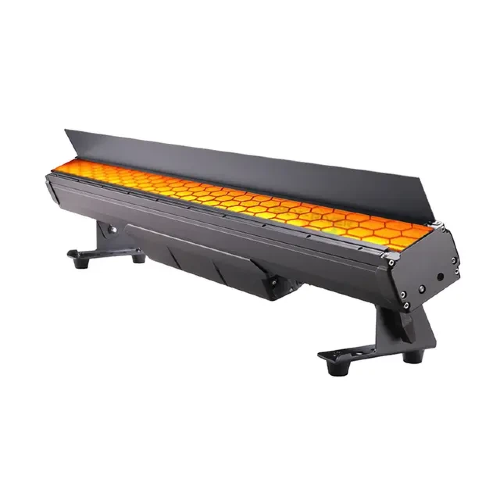
LED panels
Softboxes
Flood lights
Light Type | Description | Ideal Use |
LED Panels | Provide a soft, diffused light, ideal for filling shadows. | For general stage lighting and soft fill. |
Softboxes | Diffuse the light over a larger area, reducing harsh shadows. | Ideal for a softer fill light for performers. |
Flood Lights | Provide a broad spread of light. | Filling large areas of the stage with soft light. |
The back light, also known as hair light or rim light, is placed behind the subject and shines toward the camera or audience. It’s used to add depth and dimension to the subject by separating them from the background. Back lighting creates a rim or halo effect, which helps the performer stand out against the backdrop, making the subject appear more three-dimensional.
For backlighting, stage lights such as LED moving head lights, back spotlights, or profile lights are commonly used. These lights often have more flexibility in their positioning to create dramatic effects from behind the subject.
Light Type | Description | Ideal Use |
LED Moving Head Lights | Dynamic lights with adjustable direction. | Creating effects and separating performers from the background. |
Back Spotlights | Focused light source from behind the subject. | For dramatic backlighting and depth creation. |
Profile Lights | Provide sharp, controlled light from behind. | Creating defined silhouettes and highlights. |
When applied correctly, the 3 Lighting Rule is essential for creating a visually appealing stage setup. The rule helps in defining the subject, controlling shadows, and providing depth, making the stage look dynamic and professional.
In stage lights, the key light highlights the performer’s face or body, while the fill light softens the shadows. Meanwhile, the back light adds depth and visual interest by separating the performer from the background.
The application of the 3 Lighting Rule varies depending on the size of the venue and the type of performance. For example:
In small venues, the lights might be less intense and positioned closer to the performers.
In larger venues, more powerful stage lights and strategic placement are required to cover the entire stage.
For events like concerts or theater performances, the lighting setup can include moving lights and special effects to follow the performers, while for corporate events or seminars, more static, controlled lighting can be used.
The 3 Lighting Rule ensures that all aspects of a performance are illuminated appropriately, creating a polished and professional look. By balancing key, fill, and back lighting, it helps create a cohesive visual that is both dynamic and aesthetically pleasing to the audience.
The 3 Lighting Rule allows for precise control over the atmosphere of the performance. By adjusting the intensity and placement of the lights, lighting designers can evoke different moods, from dramatic and tense to soft and romantic.
Key light sets the tone by creating the primary mood.
Fill light softens harsh contrasts.
Back light adds separation and depth to enhance the emotional impact of the performance.
Using the 3 Lighting Rule ensures that performers and key elements on stage are clearly visible without harsh shadows or overexposure. Proper lighting helps the audience focus on the important parts of the performance, whether it’s the lead actor on stage or the main speaker at a corporate event.
The 3 Lighting Rule is a fundamental technique in stage lighting that ensures balanced, professional, and visually engaging productions. By using key light, fill light, and back light, lighting designers can enhance performers, create depth, and control shadows, delivering the best possible experience for the audience. Whether you’re hosting a concert, a theater production, or a corporate event, applying the 3 Lighting Rule to your stage lights will elevate the quality of your production and help achieve the desired visual effects.
At Guangzhou Baiyun District Shijing Taifeng Stage Lighting and Sound Equipment Factory, we specialize in providing high-quality stage lighting solutions. Our extensive expertise in designing customized lighting setups ensures that we can help you create the perfect lighting design for any event. Whether you need advice on applying the 3 Lighting Rule or assistance with selecting the right lighting equipment, our team is here to guide you every step of the way. Contact us today to learn more about how our innovative lighting products can enhance your next production.
The 3 Lighting Rule is important because it ensures balanced and visually appealing lighting, making the subject appear clear, well-defined, and engaging for the audience. It prevents harsh shadows and helps create a professional appearance.
Yes, the 3 Lighting Rule can be scaled down for smaller events. The principles of key, fill, and back lighting can still be used effectively, but the lights will be less powerful and positioned closer to the performers.
If the 3 Lighting Rule is not followed, the lighting may appear flat, with harsh shadows or poor visibility. The audience may find it difficult to focus on key elements of the performance, leading to a less professional presentation.
Yes, LED lights are versatile and can be used for key light, fill light, and back light. They are energy-efficient and customizable, offering flexibility for various lighting needs.
While basic setups can be done without professional help, hiring a professional lighting designer ensures that the 3 Lighting Rule is correctly applied. They will know how to balance the lights and create the desired effects for your event.


