
 English
Views: 0 Author: Site Editor Publish Time: 2025-09-29 Origin: Site


DMX Lighting transforms modern lighting control, powering theaters, concerts, and buildings, and this article explains how it works, covering its protocol, key components, and practical applications for both large and small installations.
DMX, short for Digital Multiplex, is a standardized protocol that allows control of lighting fixtures using digital communication. It enables multiple lights to respond to commands from a single controller, creating synchronized effects and precise scene adjustments. Unlike traditional systems that required separate wiring for each function, DMX lighting allows one cable to handle all commands for brightness, color, and movement, simplifying installations and reducing clutter. This protocol forms the foundation for advanced lighting designs in theaters, concerts, and architectural spaces.
DMX channels are numerical values ranging from 0 to 255, each controlling a specific attribute of a light fixture. These channels determine attributes like color intensity, brightness, strobe speed, and pan or tilt positions for moving lights. For example, an RGB fixture uses three channels to manage red, green, and blue outputs, while an RGBW fixture uses four. Understanding channel allocation is crucial for creating complex scenes or effects because each light responds only to the channels assigned to its address, ensuring precise control over multi-light setups.
A DMX universe is a collection of up to 512 channels. Each channel controls one function of a fixture, which means a single universe can manage multiple fixtures depending on their channel requirements. Large venues often require several universes to accommodate all lights, effects, and devices. Properly planning universes ensures smooth operation, prevents overlap, and allows designers to control large numbers of fixtures without signal errors or conflicts.
Each DMX fixture requires a unique address to differentiate it from others in the system. Addressing ensures that a controller’s command targets the correct fixture or group of fixtures. Overlapping addresses can cause unintended responses, such as two lights changing color when only one should. Grouped addresses allow multiple fixtures to perform the same function simultaneously, useful for creating uniform lighting effects across a stage or architectural installation.
The DMX controller is the command center, sending data to all connected fixtures. It allows for scene programming, dimming, color adjustment, and effects control. Controllers vary from simple devices with a few faders to advanced consoles capable of handling multiple universes. Master controllers provide the flexibility to operate numerous lights, coordinating complex sequences for live performances or architectural displays.
DMX cables transmit data from the controller to fixtures. Standard cables include 3-pin and 5-pin XLR with twisted pair wiring to reduce interference. Proper daisy-chain connections ensure consistent signal transmission, while cable quality and length affect performance. Over long runs, signal degradation can occur, so using high-quality, low-capacitance cables and installing terminators is essential for reliability.
DMX-enabled fixtures range from LED strips and moving heads to strobes and fog machines. They can be combined in any configuration and programmed individually or as a group. Flexibility in fixture types allows designers to achieve customized looks, integrating color changes, movement, and intensity variations seamlessly across the entire setup.
A terminator at the end of the DMX chain prevents signal reflection and data loss, ensuring smooth operation. Without it, lighting sequences may flicker, respond inconsistently, or fail altogether. Maintaining signal integrity requires attention to cable length, quality, and fixture load, particularly in complex, multi-universe installations.
Component | Function | Notes |
DMX Controller | Sends commands to all fixtures | Can control multiple universes |
DMX Cable | Transmits data signals | Use 3-pin or 5-pin XLR, maintain low capacitance |
Lighting Fixtures | LED, moving heads, strobes, fog machines | Program individually or in groups |
Terminator | Prevents signal reflection | Required at end of chain |
DMX operates as a one-way communication system where the controller sends data to fixtures without receiving feedback. Each fixture interprets the data according to its assigned address. This simplicity enhances stability, though it also limits real-time monitoring from the controller. Advanced protocols like RDM can overcome this limitation by allowing two-way communication.
Fixtures are connected sequentially in a daisy-chain layout. This method simplifies cabling, allowing signals to flow from the controller through each light. While efficient, daisy-chaining has a limit of 32 fixtures per line, beyond which splitters or additional universes are required. This configuration supports synchronized effects across multiple devices while minimizing wiring complexity.
Each DMX channel controls a specific fixture function. Multi-channel lights, such as RGBW LEDs, use several channels to adjust color, intensity, and special effects. The master dimmer channel allows overall brightness adjustments without affecting individual color settings. Understanding how channels map to fixture functions is essential for programming precise scenes and avoiding conflicts in multi-light setups.
In a practical scenario, a controller might operate four RGB lights using a 12-channel setup. Adjusting faders for each channel changes the lights' color and intensity in real-time. Grouping channels allows simultaneous control of multiple lights, while individual addressing provides detailed customization. Such workflows enable seamless transitions, synchronized effects, and dynamic lighting changes across venues.
In theaters, DMX lighting allows precise scene changes, cues for performers, and complex light effects. Designers can automate transitions, creating immersive environments without manual adjustments. This precision enhances performance quality and audience engagement.
Concerts benefit from synchronized lighting that follows music or choreography. DMX lighting enables dynamic color changes, moving heads, and strobe effects to energize audiences. Properly programmed sequences reduce operator intervention, allowing seamless live experiences.
Buildings and structures use DMX to create dynamic illumination, color-changing façades, and seasonal displays. Lighting designers can program gradual transitions, patterns, or synchronized effects across multiple fixtures, enhancing aesthetics and energy efficiency.
DMX allows immersive experiences in exhibitions and themed environments. Coordinated lighting guides visitor attention, highlights key features, and creates memorable atmospheres. Corporate events and trade shows can benefit from easily adjustable setups to fit different schedules and themes.
Application Type | Typical Use Case | Benefit |
Theater | Scene cues, performer lighting | Enhanced precision and performance |
Concerts | Music-synced lighting sequences | Increased audience engagement |
Architectural Lighting | Dynamic building illumination | Visual impact and energy efficiency |
Events & Exhibits | Immersive themed lighting | Memorable and flexible visitor experiences |
DMX lighting provides detailed control over brightness, color, and movement. Designers can pre-program complex scenes, adjust them dynamically, and synchronize effects with music or other events. This level of control enables highly creative setups that are impossible with conventional lighting systems.
The protocol supports small and large installations, allowing integration of multiple fixtures and universes. DMX lighting works across brands and models, giving businesses flexibility to expand or upgrade systems without replacing existing equipment.
Operating on low voltage, DMX fixtures reduce power consumption while providing centralized control. Automated sequences and dimming further optimize energy use, making DMX lighting a cost-effective solution for commercial and architectural applications.
Synchronization with music, automated sequences, and dynamic programming opens opportunities for innovative designs. From immersive environments to elaborate stage productions, DMX lighting transforms visual storytelling and enhances audience experiences.
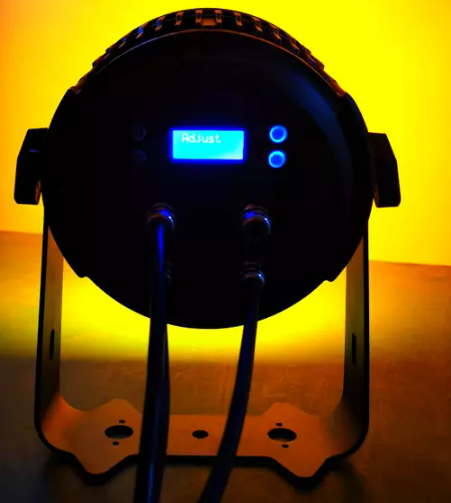
Signal degradation occurs when DMX cables are too long or of poor quality, leading to flickering, unresponsive fixtures, or inconsistent lighting effects. To prevent this, use high-quality, low-capacitance cables, install terminators at the end of each daisy chain, and consider data splitters for long runs. Maintaining proper cable management and limiting the number of fixtures per chain ensures that the signal remains stable, which is especially critical in large-scale events or multi-universe setups. Regular testing of the system before live operation can also detect weak points and prevent on-site failures.
Managing addresses becomes challenging in setups with dozens or hundreds of fixtures. Incorrect or overlapping addresses can cause multiple fixtures to respond unintentionally, disrupting programmed sequences. To mitigate this, carefully document all address assignments, plan universes logically, and label fixtures clearly. Using software tools or digital controllers that allow for visual mapping of channels can simplify management. Proper planning ensures efficient operation, reduces errors during programming, and enables smooth integration of new fixtures into existing setups without conflicts.
A single DMX universe can handle a maximum of 32 loads in a daisy chain, which restricts the number of fixtures you can connect directly. Exceeding this limit can cause voltage drops, signal degradation, or complete fixture failure. Using splitters, additional universes, or powered hubs helps expand capacity while maintaining signal integrity. Properly calculating the number of channels each fixture uses and distributing them across multiple universes allows designers to scale complex installations reliably. Understanding these limitations is crucial for both temporary events and permanent lighting installations to prevent operational problems.
Complex DMX systems require meticulous planning, programming, and testing before deployment. Setting up multiple universes, assigning addresses, and programming scenes can take hours or days depending on the size of the installation. Allocating sufficient time for rehearsals and pre-testing ensures smooth operation during live events. Documenting sequences and maintaining a backup of programming data reduces the risk of on-site errors. Efficient time management during setup allows lighting designers to focus on creative adjustments rather than troubleshooting technical issues under pressure.
RDM enhances traditional DMX systems by allowing two-way communication between the controller and fixtures. This capability enables remote monitoring of device status, configuration, and diagnostics, reducing the need for physical access to fixtures. Large installations benefit from RDM by minimizing setup time, simplifying troubleshooting, and improving overall reliability. Additionally, RDM supports firmware updates and error reporting, which is particularly useful in venues with hard-to-reach lighting rigs or frequent configuration changes. This makes the system more flexible and efficient for professional applications.
Wireless DMX eliminates the constraints of physical cabling, offering mobility and ease of installation for temporary events or venues where running cables is impractical. It allows designers to reposition fixtures quickly without rewiring, creating flexible layouts for concerts, exhibitions, or corporate events. However, wireless systems are sensitive to interference and range limitations, so careful planning and testing are essential. Using reliable transmitters and receivers, monitoring signal strength, and maintaining a clear line of sight help ensure consistent performance. Wireless DMX enables creative freedom while reducing setup complexity and cable clutter.
Protocols such as sACN and Art-Net transmit DMX data over standard Ethernet networks, combining traditional DMX control with network flexibility. This integration allows multiple universes to be managed from a single controller, supports long-distance signal transmission, and facilitates remote control of large installations. Ethernet-based DMX is particularly useful for complex architectural lighting, concerts, and broadcast productions, where cabling limitations would otherwise pose challenges. By leveraging existing network infrastructure, designers can scale their systems efficiently and incorporate advanced features like real-time monitoring and multi-site control.
DMX continues to evolve alongside smart lighting and automation technologies. Integration with intelligent control systems, app-based programming, and AI-assisted scene design is becoming increasingly common. These innovations expand creative possibilities, allowing designers to synchronize lights with music, events, or environmental cues more dynamically. Wireless multi-universe systems, adaptive lighting, and sensor-driven effects are likely to shape the next generation of professional lighting. Keeping up with these trends ensures that both commercial and entertainment venues remain competitive, offering visually stunning experiences while optimizing efficiency and energy use.
DMX lighting offers precise, scalable, and synchronized control. It enables creative and efficient lighting designs for both professionals and enthusiasts. Guangzhou Baiyun District Shijing Taifeng Stage Lighting and Sound Equipment Factory provides high-quality DMX products that simplify setup and enhance performance, delivering reliable and versatile solutions for any installation.
A: DMX Lighting is a digital protocol that controls multiple lighting fixtures from a single source, enabling precise color, intensity, and movement adjustments.
A: A DMX lighting system works by sending unidirectional signals through DMX512 channels, allowing synchronized control of fixtures.
A: The DMX lighting protocol standardizes communication between controllers and lights, ensuring reliable and scalable setups.
A: Follow a DMX lighting setup guide by connecting fixtures in a daisy chain, assigning unique addresses, and using proper cables and terminators.
A: DMX Lighting provides precision, scalability, and creative flexibility, making it ideal for concerts, theaters, and architectural installations.
A: Flickering often results from signal degradation; check cable quality, termination, and correct channel addressing to resolve issues.


