
 English
Views: 0 Author: Site Editor Publish Time: 2025-09-26 Origin: Site


Can lighting make music unforgettable? DJ Lighting transforms any show. It energizes crowds and highlights every beat. In this article, you will discover creative ideas to light up stages, from small parties to large festivals. Learn how to match effects, colors, and motion for maximum impact.
LED PAR lights offer smooth, wide washes of color that work well on walls, ceilings, or backdrops. They are compact, lightweight, and easy to set up, making them ideal for mobile DJs or small venues. Modern LED PARs can sync to music or follow pre-programmed color transitions, allowing DJs to create mood-driven environments effortlessly. For example, using them in clusters behind a DJ booth can produce a layered, multi-dimensional effect that enhances the performance visually.
Positioning multiple LED PAR lights around the venue or stage helps create coordinated color schemes that match the event theme and music energy.
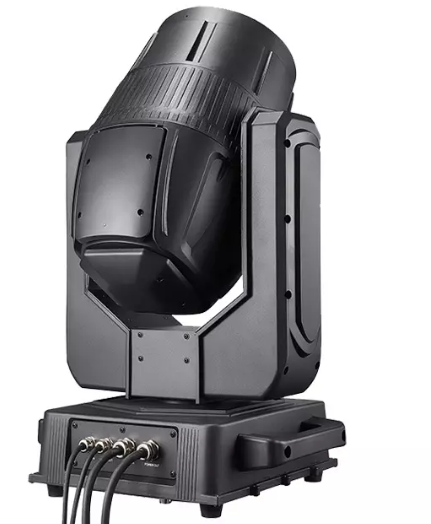
Moving head lights are dynamic fixtures capable of tilting, rotating, and sweeping beams across the dance floor. They add a sense of motion and dimension to performances, ideal for energizing high-tempo tracks. DJs can combine multiple moving heads to create patterns, chase effects, or synchronized movements that captivate audiences. These lights are particularly effective when paired with fog or haze, as the beams become visible and create a dramatic three-dimensional effect.
Using moving head lights both on the stage and toward the crowd creates a full immersive effect that highlights key moments in your set.
Strobe lights produce rapid flashes that emphasize beat drops, while laser lights create precise, sharp beams perfect for festival or EDM vibes. Lasers can form tunnels, patterns, or logos, adding a high-tech visual element. Both lighting types require careful positioning to ensure audience safety and prevent glare. Combining strobes and lasers can energize the crowd and amplify musical transitions, making peaks feel more impactful.
Use strobes sparingly, typically 10–15 seconds per burst, to prevent overwhelming guests while maintaining dramatic effect.
Wash lights provide a gentle, even fill across the stage or venue, while spotlights focus attention on DJs or performers. Using them together creates contrast, depth, and dimension on stage, highlighting both music and movement. Wash lights can set a general atmosphere, while spotlights accentuate solos, transitions, or special effects. This combination ensures the audience remains engaged while visually guiding their attention throughout the performance.
LED bars and strips are versatile tools for outlining DJ booths, stage edges, or architectural features. They can display gradients, chases, or flowing color effects that add a modern and polished look. Their ease of installation allows them to enhance both small and large setups efficiently. Integrating them with uplighting or spot effects further emphasizes stage structures and creates layered visual experiences.
Table 1: Key DJ Lighting Types and Applications
Lighting Type | Best Use | Visual Effect | Notes |
LED PAR Lights | Walls, ceilings, backdrops | Smooth, wide color wash | Compact, lightweight, music-syncable |
Moving Head Lights | Dance floor, behind DJ booth | Dynamic beams, rotation, gobos | Works well with fog/haze |
Strobe Lights | Beat drops, high-energy moments | Flashing, short bursts | Limit duration to avoid discomfort |
Laser Lights | Festivals, EDM, raves | Sharp, colorful beams, tunnel effects | Requires safety precautions |
Wash Lights | Mood lighting, full-room coverage | Gentle, even color | Best for ambient layering |
Spotlights | DJs or performers | Focused beams | Adds emphasis and highlights |
LED Bars/Tubes/Strips | Booth edges, stage structures | Gradients, chases, multi-color effects | Easy to install and integrate |
For bedroom or streaming setups, compact lighting solutions like LED strips and USB-powered ring lights are ideal. Placing strips behind monitors or desks creates immersive backgrounds, enhancing both live streams and recorded performances. Sound-activated lights or simple color-changing LED fixtures can sync to your music, adding visual excitement without complex setups. These techniques allow DJs to maintain professional aesthetics while working in smaller spaces.
Positioning lights at multiple heights behind your setup enhances depth and creates a more cinematic effect for viewers.
In house parties, sound-activated or auto-programmed lights allow for dynamic setups without full DMX control. Smart lights integrated with music-reactive apps can layer colors and effects across rooms, adding interactivity. Small moving heads, compact strobes, and LED strips can energize the space while being easy to manage. The goal is to maintain high energy while keeping installation quick and efficient.
Using a mix of ambient uplighting and focused beams makes rooms feel larger and more dynamic.
Mobile DJs need transportable, powerful lighting capable of filling medium to large venues. Battery-powered uplights are excellent for ambient décor without cable clutter. Moving head lights and compact strobes create high-energy effects for the dance floor, while LED PAR lights can enhance stage backdrops. Using wireless DMX or simple remote control helps adjust lights on the fly, ensuring seamless transitions during weddings or events.
Prioritize lights that are lightweight yet powerful to balance mobility and impact.
For large events or festivals, layered setups with multiple lighting types maximize audience engagement. Combining moving head lights, lasers, strobes, wash lights, and effects ensures every corner of the venue is visually stimulated. Coordinating fixtures with stage structures enhances immersion, while fog and haze reveal light beams for added dimensionality. Festivals benefit from pre-programmed shows or synchronized setups to maintain high-energy visuals throughout performances.
Sound-activated lighting provides beginner-friendly automation by syncing lights to music beats. Built-in microphones trigger flashes and color changes in real-time, creating instant energy alignment with your tracks. While easy to implement, precision may vary depending on the fixture quality. Sound-activated setups are excellent for smaller events or initial experiments with DJ lighting.
Manual lighting control allows DJs to adjust individual fixtures via onboard buttons, remotes, or dedicated controllers. This method offers flexibility for live tweaking, enabling the creation of unique effects on the fly. Manual DMX controllers let DJs manage multiple lights simultaneously, controlling movement, color, and brightness with precision. It requires planning and familiarity but ensures a professional, responsive show.
DMX is the industry standard for digital lighting control, assigning channels to individual fixtures for coordinated effects. Using DMX enables DJs to synchronize multiple lights, automate sequences, and create complex, dynamic shows. It is essential for large-scale events or professional setups where precise control over timing, movement, and intensity is critical.
Lighting software allows pre-setting of scenes, automated transitions, and direct synchronization with music. Programs can generate effects, coordinate multiple fixtures, and save custom shows for repeat use. While software integration requires setup and learning, it significantly enhances control and consistency for large events. DJs can use it to create synchronized visuals that perfectly match their music, elevating audience experience.
Investing in software or DMX systems increases show quality and reduces manual adjustments during high-pressure performances.
Fog and haze machines amplify lighting by making beams and patterns visible. Fog produces dense clouds, while haze spreads thin and long-lasting coverage. Incorporating these tools with moving heads or lasers creates a three-dimensional visual experience. Proper placement ensures maximum visibility without obstructing performers or the audience.
CO₂ cannons provide short, dramatic bursts that highlight music drops or transitions. They add surprise and excitement, complementing strobes and lasers. Positioning and safety are critical to prevent accidents while maximizing visual impact.
Disco balls add timeless sparkle, reflecting light across venues. Modern LED alternatives combine movement and color projection in a single unit, creating dynamic patterns without complex setup. They enhance atmosphere for retro or themed events, appealing to both casual attendees and enthusiasts.
UV and black lights highlight neon and fluorescent elements, perfect for themed parties or glow-in-the-dark setups. These lights create a striking visual contrast that enhances costumes, decorations, and accessories. Strategically combining them with other lighting types amplifies effects and provides immersive experiences.
Lighting must align with the event type. Weddings benefit from soft, warm tones and subtle spotlights. EDM parties thrive on neon colors, lasers, and strobe energy. Retro or themed nights require color-coordinated tubes and black lights. Choosing the right palette ensures that lighting enhances the music and complements the occasion.
Color impacts emotion and perception. Warm tones evoke intimacy, while cool colors energize or calm. Using gradients and contrasts guides audience energy and highlights musical transitions. Strategic layering enhances spatial depth and emphasizes key moments.
Lights should complement stage structures, backdrops, and focal points. Layering ambient, accent, and effect lights creates depth and ensures every corner is visually engaging. Mapping fixtures to performance areas allows seamless transitions and consistent visual storytelling.
Proper wiring and secure mounting are essential to prevent accidents, equipment damage, and costly downtime. Overloading circuits can lead to outages or fire hazards, so verifying power capacity for all fixtures is crucial. Overhead lights should be firmly fastened using safety cables or truss clamps to prevent falls. Routine inspections of connections, plugs, and adapters ensure that all lights function reliably throughout the event, maintaining both safety and professional performance quality.
Careful positioning of fog machines, lasers, strobes, and other effects prevents glare, collisions, or hazards for performers and audiences. High-energy events with moving lights demand attention to safe distances and line-of-sight management. Protective barriers or marked zones can help guide crowds away from intense beams. By anticipating potential risks, DJs and event organizers can maintain a secure environment, ensuring that the visual spectacle enhances the experience without compromising safety.
Consistent inspection and testing of lighting fixtures, cables, and backup systems guarantee performance reliability. Keeping spare bulbs, fuses, and connectors on hand prepares DJs for unexpected failures, minimizing disruptions. Pre-event checks of all devices, from moving heads to LED PAR lights, allow adjustments to brightness, color, and effects timing. Testing equipment in the actual venue ensures compatibility with power supply and layout, saving time during setup and avoiding last-minute technical issues at high-stakes events.
For intimate gatherings, LED strips, compact effects lights, and simple fog machines create immersive environments that elevate energy and aesthetics. These setups are cost-effective, easy to transport, and quick to assemble, yet they offer professional-level visual impact. Strategic placement of lights along walls, behind furniture, or around the DJ booth adds depth and mood to the space. Sound-reactive features or pre-programmed patterns can enhance interaction, ensuring that even small events feel dynamic and memorable for guests.
At medium-sized venues, combining moving heads, uplights, and strobes generates a high-energy atmosphere that engages the audience. Coordinated color schemes and timed transitions can highlight key moments in the music, such as beat drops or thematic changes. Layering uplights around the stage and floor adds dimension, while moving heads sweep patterns across the crowd, creating excitement and movement. Attention to placement, synchronization, and brightness ensures that the visual design complements the performance, giving guests a cohesive and immersive experience that feels professionally produced.
Large-scale festivals require multi-layered lighting systems to captivate thousands of attendees. Lasers, moving heads, wash lights, fog, and 3D projections can be integrated for maximum visual impact. Pre-programmed sequences, synchronized with music and stage cues, ensure a polished and professional show. Fog and haze machines enhance beam visibility, creating dynamic effects that sweep across the crowd. Real-time adjustments allow DJs to react to performance energy, while careful color coordination across stages maintains visual consistency. This combination of planning, technology, and creativity creates an unforgettable immersive experience, emphasizing both scale and production quality.
Table 2: Example Lighting Setup by Event Scale
Event Scale | Key Lighting Fixtures | Effects & Notes |
Small-Scale Party | LED strips, compact effects lights, fog | Immersive atmosphere, easy setup |
Medium-Scale Event | Moving heads, uplights, strobes | Coordinated beams and timing, energetic feel |
Large-Scale Festival | Lasers, wash lights, fog machines, 3D projections | Multi-layered, dramatic, synchronized effects |
The right DJ lighting turns any show unforgettable. Combining LED PAR lights, moving heads, lasers, strobes, and strips creates immersive stage effects. Guangzhou Baiyun District Shijing Taifeng Stage Lighting and Sound Equipment Factory offers versatile lighting solutions that enhance performances and simplify setup, providing real value to DJs and event organizers.
A: DJ lighting enhances performances by creating immersive visuals. It energizes audiences and emphasizes music moments, making events memorable.
A: Use sound-activated fixtures or DMX software to sync DJ lights with music. This ensures beats, drops, and transitions are visually highlighted.
A: Combining LED PAR lights, moving head lights, strobes, and lasers creates versatile effects. These setups work well for weddings, parties, or festival stages.
A: Moving head lights add motion and dimension. They create dynamic patterns, chase effects, and emphasize key moments on the dance floor.
A: Yes, LED PAR lights for mobile DJs are compact, lightweight, and easy to transport, providing smooth color washes for stage backdrops and ambient lighting.


