
 English
Views: 0 Author: Site Editor Publish Time: 2025-09-19 Origin: Site


Can you control every aspect of your images? Studio lighting makes it possible. It shapes brightness, direction, and mood with precision. Beginners often face harsh shadows and uneven exposure. In this guide, you will learn studio lighting setups, modifiers, and techniques for portraits, products, and creative projects. By practicing these methods, photographers gain confidence and create professional, polished results.
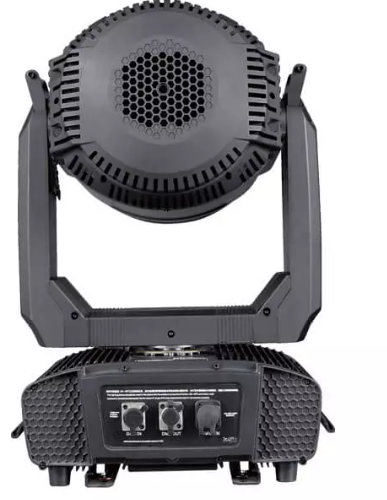
There are three primary types of studio lighting: continuous lights, flash/strobes, and portable speedlights. Continuous lights remain on during the shot, providing real-time feedback and are ideal for beginners and video shoots. Flash or strobe lights deliver brief, intense bursts that freeze motion and allow greater exposure control. Speedlights are compact and portable, perfect for on-location shoots but offer lower power and fewer modifier options.
Each type of light has advantages and limitations. Continuous lights simplify setup but require careful ambient light management. Strobes provide superior output and depth control but require triggers. Speedlights are portable yet limited in power. Choosing the right type depends on workflow, subjects, and creative objectives.
Light quality dramatically affects the final image. Soft light creates diffused shadows, enhancing skin and product textures, while hard light produces sharp shadows that emphasize detail. The quality of light depends on source size, distance, and diffusion. Large softboxes or umbrellas generate soft light, whereas grids or bare bulbs create hard light.
Mastering light quality helps photographers control mood and focus attention on key subject features. Using softboxes, beauty dishes, and reflectors allows precise shaping of light for portraits or products, improving visual storytelling and professional presentation.
Lighting ratios indicate the brightness relationship between key and fill lights. A 1:1 ratio produces minimal contrast, while higher ratios create more dramatic shadows. Adjusting ratios is critical for portraits, products, and creative shots, enabling control over depth and texture without adding extra lights.
Accurately measuring ratios ensures consistency across multiple images. This is especially important in commercial projects where uniform lighting maintains professional quality. Ratios also guide the choice of modifiers and light placement to achieve a predictable, repeatable lighting style.
The direction and angle of light influence depth, dimension, and mood. Side lighting accentuates texture, backlighting creates outlines, top lighting simulates sunlight, and frontal lighting flattens features. Adjusting angles subtly changes how subjects appear in the frame.
Understanding light direction allows photographers to emphasize desired features and create visual interest. Small adjustments in angle or light rotation often yield more compelling results than adding extra sources, making controlled positioning essential for professional imagery.
Choosing the right studio lights is crucial. Monolights offer portability and battery options, while pack systems provide higher power and flexibility for multi-light setups. Beginners often prefer monolights for simplicity, while advanced users benefit from the versatility of pack systems.
Modern studio lights allow adjustment of power output and color temperature, enabling consistent exposure. Understanding how to operate these systems ensures precise control for high-end portraits or product photography, helping photographers achieve consistent results across sessions.
Modifiers control light shape and quality. Softboxes and umbrellas diffuse light for flattering results. Beauty dishes provide focused yet soft illumination. Grids and snoots direct light to specific areas, and gels allow color effects or correction.
Studying studio lighting modifiers and their uses maximizes creative potential. Proper use of modifiers allows one light to achieve multiple effects, reducing equipment needs and setup time while enhancing visual impact and artistic flexibility.
Reflectors and diffusers expand coverage and soften shadows. White or silver reflectors bounce light into dark areas, while diffusion panels scatter harsh light. These tools are affordable, portable, and essential for controlled illumination.
DIY options, such as foam boards or fabric, provide budget-friendly alternatives. Correct placement ensures even light coverage and enhances subject separation in both portraits and product setups, improving overall image quality.
Studio lights require triggering devices. Wireless triggers, cables, or hot-shoe systems send signals to fire lights at the correct moment. Adjusting power output allows consistent exposure and proper illumination across varying subject distances.
Mastering triggers and power control ensures reliable synchronization, avoids overexposure, and simplifies multi-light setups. This enables photographers to maintain creative control while adapting quickly to different shooting scenarios.
Single-light setups teach foundational lighting principles. Place the light at a 45° angle above the subject for flattering results. Adjust distance to control intensity and shadow softness.
This simple setup is suitable for portraits and small product photography. It allows experimentation with modifiers, angles, and exposure without overwhelming beginners, forming the foundation for more complex setups.
A two-light setup introduces fill light to balance shadows. Position the key light at 45° to the camera and the fill light opposite to reduce contrast. This creates natural-looking shadows while maintaining soft illumination.
Two-light setups are useful for developing understanding of lighting ratios. Adjusting power and modifiers improves separation and enhances subject features, producing well-lit, professional-quality portraits.
Adding a hair or rim light separates the subject from the background. Use grids or small softboxes to focus light on desired areas and control spill.
Three-light setups allow more complex portraits and fashion photography, producing professional-quality separation, depth, and texture. Mastery of this setup opens creative opportunities in editorial and commercial work.
Product photography requires even illumination. Use top lights combined with fill or backlights. Diffusers and softboxes control reflections and reduce specular highlights.
Flat-lay and product setups enhance detail visibility and texture, ideal for e-commerce or marketing. Proper positioning of light sources ensures clean, professional images that highlight product features effectively.
Setup Type | Key Light Placement | Additional Lights | Typical Uses |
Single-Light | 45° above subject | None | Beginner portraits, small products |
Two-Light | 45° from camera | Fill opposite | Portraits, small sets |
Three-Light | 45° from camera | Fill + Rim/Hair | Commercial portraits, fashion |
Product/Flat-Lay | Top/angled | Fill/Backlight | E-commerce, product videos |
Grids, flags, and modifiers shape shadows and highlights. Adjusting distance and angle creates dramatic or subtle effects. Controlling shadows emphasizes features or sets mood without adding extra lights.
Consistent practice improves intuition for shadow placement. This skill elevates both portrait and product photography, producing professional, visually engaging images that communicate depth and mood effectively.
Combining studio and ambient light requires careful balancing. Adjust intensity and color temperature to maintain consistent exposure. Proper integration prevents unwanted shadows or highlights.
Techniques for balancing studio lighting and ambient light ensure natural results while retaining creative control. Using gels or adjusting white balance resolves conflicts between different light sources, producing seamless visual cohesion.
Rim, silhouette, and split lighting create dramatic effects. Colored gels and unconventional angles enhance mood and artistic appeal. These techniques are effective for fashion, portrait, or conceptual product photography.
Experimenting with modifiers and angles achieves professional results without adding more lights. Creative effects make images visually distinct for editorial or advertising purposes, enhancing the artistic value of the work.
Understanding joules, watt-seconds, and f-stops helps control exposure. Adjusting light power and camera settings together maintains consistent brightness.
Recording power settings, distances, and modifiers allows reliable reproduction of results. Mastery of exposure reduces post-production adjustments and improves workflow efficiency, giving photographers more freedom to focus on creativity.
Exposure errors often result from incorrect light power, improper distance, or interference from ambient light. To correct overexposed or underexposed shots, photographers should adjust light intensity, reposition sources, or fine-tune camera settings. Using histograms and light meters ensures precise evaluation of exposure. Addressing these issues early minimizes post-production corrections, maintains image consistency, and ensures professional-quality results across portrait, product, and creative photography projects. Regularly checking light output and environmental factors helps prevent repeated mistakes and builds reliable shooting habits.
Hard shadows or uneven illumination can occur when lights are positioned too close or modifiers are insufficient. Adjusting angles, incorporating diffusers, and using reflectors softens shadows and balances coverage. Mixing lights with differing color temperatures may produce unwanted color casts, which can be corrected using gels or white balance adjustments. Proper equipment setup and safety practices, including securing stands, managing cables, and monitoring heat from continuous lights, protect both the photographer and subjects. Addressing these common pitfalls systematically enhances image quality, workflow efficiency, and overall professional consistency.
Mixing light sources with different color temperatures can result in inconsistent hues across a shoot. Using gels, adjusting white balance, and maintaining uniform lighting helps prevent color casts. Balanced color temperature ensures natural skin tones, accurate product colors, and fewer post-processing corrections. Paying attention to ambient light contributions further stabilizes color consistency. Mastery of temperature control supports both technical accuracy and creative intent in diverse studio environments.
Securing light stands, managing cables, and ensuring proper ventilation for hot lamps are essential safety measures. Continuous lights, especially tungsten units, generate heat that can damage equipment or cause injury if mishandled. Regularly inspecting and maintaining equipment prevents malfunctions during shoots. Following strict safety protocols protects both the photographer and subjects while enabling uninterrupted, professional-level work.
Previsualization improves efficiency by allowing photographers to plan light placement, angles, distances, and modifier choices before the shoot. Sketching setups and creating diagrams reduce trial-and-error, accelerate workflow, and help maintain consistency across multiple sessions. Documenting configurations in a lighting cheat sheet ensures repeatable results, allowing quick recreation of successful setups and reliable client deliverables. Detailed notes on lighting ratios, power settings, and modifiers support both creative experimentation and precise technical execution, building confidence and efficiency over time.
Recording distances, ratios, and modifier types in a cheat sheet creates a reliable reference for consistent results. It allows photographers to replicate successful setups across multiple sessions and ensures quality control for clients. This structured documentation simplifies communication when working with teams and streamlines adjustments for new subjects or locations. A well-maintained cheat sheet reduces errors, saves setup time, and reinforces best practices for both creative and commercial photography.
Repeated exercises with single-light, two-light, and three-light setups help photographers internalize principles of angles, ratios, and shadow control. Practicing iterative variations develops intuition for light manipulation and boosts confidence in creative decisions. Gradually introducing complexity through modifiers, additional lights, and advanced techniques challenges skills while maintaining control. Consistent repetition transforms theoretical knowledge into practical expertise, enabling photographers to respond effectively to dynamic shooting scenarios.
Gradually increasing equipment and setup complexity allows photographers to expand creative options without losing control. Starting with simple setups and adding modifiers, triggers, or multiple lights provides a clear growth path. This approach helps manage workflow efficiently while supporting experimentation with angles, ratios, and light shaping. Scaling enables photographers to take on larger projects with precision and creativity, producing professional results for diverse genres including portraits, fashion, and product photography.
Mastering studio lighting involves understanding types, quality, modifiers, and setups. Starting simple and experimenting with angles, power, and ratios builds consistent, high-quality results. Observing light effects and practicing exposure elevates photography skill.
Guangzhou Baiyun District Shijing Taifeng Stage Lighting and Sound Equipment Factory offers versatile, durable lighting products. Their solutions enhance control, creativity, and professional outcomes for portraits, product shoots, and artistic projects.
A: Studio lighting refers to controlled lighting used in photography to shape mood, shadows, and highlights for portraits, products, and creative projects.
A: Start with a single key light, adjust angles and distance, then add fill or rim lights. Use a studio lighting equipment setup guide for consistent results.
A: Softboxes, umbrellas, grids, and beauty dishes shape light. Knowing studio lighting modifiers and their uses improves shadows, highlights, and texture control.
A: Adjust light intensity, use gels, and match color temperatures. Techniques for balancing studio lighting and ambient light prevent unwanted color casts.
A: Studio lighting provides precise control over brightness, direction, and mood, enabling consistent, high-quality results regardless of outdoor conditions.


