
 English
Views: 0 Author: Site Editor Publish Time: 2026-04-27 Origin: Site


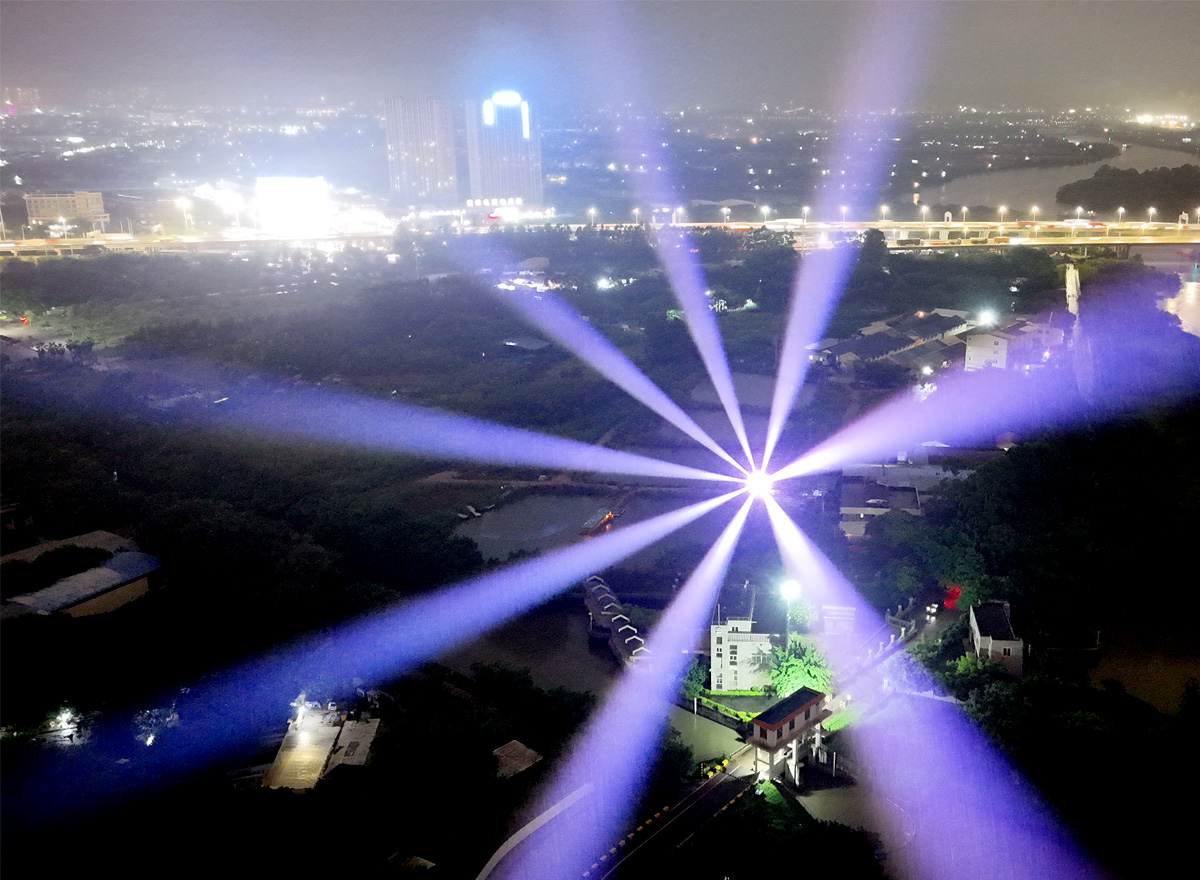
Audience expectations for live events have shifted. Festival-grade visual experiences are now the standard baseline, regardless of the venue's physical size. Yet, venue operators face severe logistical restrictions. You must constantly juggle tight rigging weight capacities, strict DMX universe limits, fixed operational budgets, and demanding broadcast requirements.
Selecting the correct stage effect light forces a complex technical compromise. You must weigh the dynamic kinetic movement of moving heads against the high-density output of pixel bars and matrix panels. Making the wrong choice carries heavy consequences. You risk bloated programming time, underutilized hardware, unwanted acoustic interference, and inadequate stage coverage.
We provide a clear technical and financial evaluation framework below. We analyze how each fixture architecture directly aligns with your venue's footprint, broadcast needs, crew expertise, and programming style. This ensures your capital expenditure solves your specific production problems effectively.
Pixel Bars offer linear geometry and architectural bordering with low mechanical failure rates and efficient power daisy-chaining, ideal for structural framing.
Matrix Lights deliver high-impact, volumetric pixel mapping and blinder effects, best suited for upstage backdrops and high-energy EDM/rock acts.
Moving Heads provide unmatched kinetic versatility and focusable beam/wash control, but carry higher Total Cost of Ownership (TCO) due to mechanical maintenance and acoustic footprints.
Decision Driver: The choice between these fixtures hinges on your control infrastructure (DMX vs. Art-Net/sACN), environmental factors (IP ratings and camera readiness), and whether your priority is spatial movement or modular pixel animation.
Purchasing any fixture without auditing your facility leads to integration failures. Evaluating physical and technical limitations prevents costly mistakes. Use the following structured criteria to map out your exact venue requirements.
Assess Venue Infrastructure: Check your overhead grid weight limits and maximum trim height above the stage. Calculate your exact power availability, noting the safe amperage per circuit. Standardize your connector protocols. You should decide between locking PowerCON True1 cables or standard IEC connections to guarantee uniform power distribution across your entire rig.
Evaluate Data and Control Capabilities: Review your current console limitations before buying complex fixtures. Calculate your exact channel count needs. Pixel-heavy fixtures strictly demand sACN or Art-Net protocols to function smoothly over managed gigabit switches. Traditional 5-pin DMX networks fail quickly under heavy mapping loads.
Define Acoustic and Broadcast Demands: Measure the specific acoustic sensitivity of your venue space. Theatrical stages and intimate acoustic venues require low-noise fixtures. Prioritize fanless designs or fixtures offering dedicated studio modes. Broadcast and live-streamed events strictly demand flicker-free LED Pulse Width Modulation (PWM) frequencies.
Determine Operational Demands: Define your primary use case clearly. A touring rig requires durable IP65 weatherproofing, rugged flight cases, and fast deployment hardware like omega brackets. A permanent venue installation prioritizes long-term diode reliability, consistent color output, and low-maintenance physical access.
Audit Crew Expertise: Acknowledge the steep programming delta between different fixture types. Busking a live moving head show requires specific console timing skills. Mapping custom video content across a massive LED array demands advanced media server knowledge and complex network configuration abilities.
Linear fixtures have revolutionized stage architecture over the past decade. They provide sleek lines and distinct borders without consuming excessive power or rigging weight. They map shapes and geometry that standard wash fixtures cannot achieve.
An led pixel light for stage application typically features a 1-meter batten array. These slim fixtures contain individually controllable RGBW or RGBA diodes spaced evenly across their face. A standard bar might hold 12 to 72 individual pixels. They form the critical backbone of modern linear lighting designs. Some models feature motorized tilt, sweeping 180 degrees to move the linear beam across the audience.
Pixel bars excel at highly specific geometric tasks. Designers use them for stage edging, set piece bordering, and framing drum risers. They beautifully map low-resolution video content across wide areas. You can run them vertically along truss uprights to create towering columns of light. Motorized tilt models excel at creating dynamic, sweeping light curtain effects that enclose a stage visually.
These fixtures offer tremendous visual impact per dollar spent. They boast extremely low power consumption and highly efficient daisy-chaining. You can easily cascade power and data using etherCON and PowerCON links, drastically reducing cable clutter. They also produce a near-zero acoustic footprint due to their passive cooling designs. Because they lack heavy internal motors, their mechanical failure rate remains incredibly low.
Pixel bars inherently lack horizontal panning capabilities. They suffer from limited throw distances compared to dedicated, high-output beam fixtures. Operating them in full pixel-mapping modes requires a massive DMX channel footprint. A single bar might consume over 100 channels. This heavy network bandwidth demands robust infrastructure and upgraded processing nodes.
When you need overwhelming visual punch and modular video capabilities, matrix panels offer an aggressive solution. They bridge the gap between traditional lighting and low-resolution video walls.
Matrix panels typically feature dense 4x4, 5x5, or 9x9 LED diode arrays. They seamlessly combine warm white blinder capabilities with full RGB color mixing. These robust units push massive, blinding lumens directly outward toward the audience. Each individual LED acts as a separate pixel, allowing designers to trigger complex chases, shapes, and patterns across multiple linked units.
Understanding a pixel bar vs matrix light application requires looking closely at stage geometry. Both fixtures map pixels efficiently. However, matrix lights act as modular, volumetric visual surfaces. They display low-resolution video, chunky graphics, and punchy audience blinding cues. Pixel bars, conversely, provide strict linear geometry and sharp spatial outlining. Matrix panels build walls; pixel bars build frames.
Matrix lights deliver overwhelming lumen output for high-energy musical moments. You can clearly display scrolling text or geometric shapes across large linked arrays. Static models offer extreme durability due to having zero moving parts. Proprietary locking hardware, like heavy-duty coffin locks, enables seamless, large-scale array building. You can snap dozens of panels together to form a massive upstage backdrop in minutes.
Heavy-duty matrix fixtures carry significant weight penalties on trussing. A large wall of matrix panels requires strict engineering sign-offs. They cause severe power draw spikes during full-white audience blinder moments, necessitating heavy-duty power distribution. Furthermore, complex pattern generation strictly necessitates expensive external media servers like Resolume or Madrix to achieve their full visual potential.
Moving heads remain the ultimate tool for kinetic stage energy. They physically redirect light across the room, creating an ever-changing environment. No other fixture type offers the same level of focusable control.
A moving yoke fixture consists of a heavy base, a motorized yoke, and a high-output head. Core variations include dedicated Beam, Spot, Wash, and Hybrid units. These complex mechanical fixtures literally move beams of light across the physical space. The base houses the power supply and DMX electronics, while the head contains the light engine, color wheels, gobos, and optical lenses.
Clarifying moving head vs wash light semantics prevents purchasing errors. A dedicated static wash light floods a stage area evenly from a fixed position. A moving head wash offers dynamic spatial repositioning, motorized zoom mechanics, and variable beam angles during live cues. This allows a single moving wash fixture to highlight the drummer, sweep the audience, and then flood the entire downstage area seamlessly.
Moving heads inject unmatched kinetic energy into any live show. They offer highly versatile focal points for programmers. You gain immediate access to precise gobo projection, sharp framing shutters, and piercing mid-air beam aerials. A single fixture can dynamically alter the entire stage topology in seconds. Spot and profile units allow for exact key lighting on performers from long throw distances.
Moving heads face harsh mechanical realities. Internal stepper motors, drive belts, and high-speed cooling fans generate noticeable ambient acoustic noise. These complex moving parts require strict routine maintenance and frequent internal cleaning. They demand a higher upfront cost per unit. Standard units remain highly sensitive to dust, haze fluid buildup, and moisture without a heavy, expensive IP65 rating.
Making an informed purchasing decision requires comparing these fixtures across technical and operational dimensions. Understand exactly how they impact your daily production workflow and crew requirements.
Patching standard moving heads requires roughly 16 to 35 channels on your lighting console. This workflow is well-established. Your console's internal effects engine handles pan, tilt, and color chases easily. Conversely, mapping complex pixel fixtures demands massive data handling. A single large matrix panel might use 75 to 150 channels. This extreme density requires Kling-Net, Art-Net, or specialized pixel-mapping software overlays to function properly without crashing your primary DMX processor.
Evaluate how each fixture looks through a professional camera lens. Moving heads generally offer advanced color temperature correction, including variable CTO and CTB wheels. They also boast high CRI ratings for accurate skin tones. High-density matrix and pixel lights frequently cause disastrous on-camera banding, flickering, or scanning artifacts. To fix this, you must specify pixel fixtures with adjustable, high-frequency PWM rates exceeding 1200Hz, or ideally 3000Hz for high-speed camera work.
Consider the steady noise floors of your selected rig. Fan-cooled moving heads and high-output matrix panels produce steady ambient hums. Thirty moving heads turning their pan/tilt motors simultaneously will absolutely ruin an acoustic recording or a quiet theatrical dialogue scene. Passively cooled pixel bars remain completely silent during operation. Always factor in the hefty cost premium of IP65 weatherproof variants if your rig frequently moves to outdoor festival stages, as weather enclosures add significant bulk and weight.
Assess the physical ease of expanding your current rig. Pixel bars scale linearly and utilize highly lightweight rigging hardware. You can attach them directly to existing truss chords easily. Adding heavy matrix walls requires strict structural engineering to manage massive weight loads and outdoor wind shear. Moving heads require careful spacing calculations on the truss. Placing them too close together results in disastrous yoke collisions during rapid movement cues, stripping belts and breaking motors.
Feature | Pixel Bars | Matrix Lights | Moving Heads |
|---|---|---|---|
Primary Visual Function | Architectural framing, linear visuals | Audience blinding, volumetric video | Kinetic movement, aerial beams, key spots |
Data Programming Needs | High channel count, pixel mapper needed | Media server heavily recommended | Standard console workflow (16-35ch) |
Acoustic Noise Floor | Very Low (Passive cooling) | Medium (Fan cooled usually) | High (Motors and fast fans) |
Rigging Weight footprint | Low footprint, lightweight | Heavy, requires robust trussing | Moderate to Heavy depending on optics |
Mechanical Maintenance | Very Low (Solid state mostly) | Low (Solid state mostly) | High (Belts, optics, pan/tilt motors) |
The sticker price of a fixture only tells half the financial story. You must project the Total Cost of Ownership across the entire operational lifespan of the equipment. Buying cheap gear often results in massive maintenance bills later.
Analyze the initial purchase price carefully. High-output moving heads consistently command the highest unit price on the market due to expensive glass optics and complex motors. Pixel bars offer a significantly lower entry point for mass deployment and stage-wide scaling. Always factor in the mandatory hidden costs. You must purchase heavy-duty flight cases, proprietary rigging hardware, specialized safety cables, and spare parts kits alongside the fixtures themselves.
You must account for the ongoing costs required to keep the rig operational year after year. Evaluate these three specific operational pillars:
Maintenance Needs: Contrast the inevitably high maintenance costs of moving heads against solid-state options. Moving heads require frequent optical cleaning, gear lubrication, tension belt adjustments, and degraded lamp replacement. Solid-state LED arrays demand almost zero internal mechanical maintenance.
Infrastructure Upgrades: Account for the hidden, expensive networking costs. Pixel and matrix-heavy rigs require expensive managed gigabit network switches, multiple sACN nodes, and higher amperage power distribution boxes to function safely. You cannot run a massive pixel rig on standard copper DMX lines.
Programming Labor: Factor in the high hourly cost of specialized lighting programmers. You may also need expensive, recurring media server software licensing (like Resolume Avenue or Arena) to maximize your matrix and pixel investments visually.
Address both the technological and physical lifespan of your purchase. Moving heads face mechanical obsolescence and severe physical wear much faster than static LED arrays. Internal stepper motors eventually burn out. Drive belts snap. Conversely, the LED diodes inside static pixel bars and matrix fixtures frequently outlast their exterior metal housings, delivering a much longer usable lifespan for rental houses and venues.
Upgrading your stage lighting introduces substantial technical risks. Identifying these hazards early allows you to implement effective mitigation strategies before your first soundcheck.
Pushing thousands of individual RGB pixels can instantly choke standard control processors. This data bottleneck causes severe, noticeable lag in rapid visual cues, ruining the timing of a live show.
Mitigation: Upgrade your control infrastructure to managed gigabit switches. Transition your entire lighting network to sACN or Art-Net protocols long before purchasing pixel-dense fixtures. Test your network loads under full-white pixel stress during pre-production.
Matrix blinders and large-format moving heads add rapid weight and dynamic, shifting loads to overhead trusses. Moving fixtures generate rotational torque that static loads do not.
Mitigation: Require strict structural load calculations before hanging any new equipment. Consult licensed structural engineers for permanent installs. Utilize lightweight pixel bars if your venue weight limits are strictly rigid or mathematically uncertain.
Mixing different LED chip generations across older and newer fixtures ruins stage wash consistency. A deep red wash might look orange on newer, brighter fixtures, breaking the visual immersion.
Mitigation: Standardize your fixture purchases exclusively within the same manufacturer ecosystem. Require precise color-calibration features, such as high CRI or TM-30 scores, during your initial vendor selection process. Request physical shootout demos to test color mixing in person.
High-intensity LED fixtures can strobe unpredictably on professional cameras due to mismatched refresh rates between the internal diode and the camera shutter.
Mitigation: Only specify LED fixtures featuring fully adjustable, high-frequency PWM rates. Look specifically for PWM rates exceeding 1200Hz if the venue intends to stream, record, or broadcast live events continuously. Adjust your camera shutter angles to match the lighting rig's refresh rate.
No single fixture replaces the others. They serve highly distinct physical, technical, and aesthetic functions within a professional rig. A truly balanced, world-class production rig leverages the unique strengths of all three architectures simultaneously to create depth, movement, and visual texture.
Your purchasing logic should remain straightforward. Invest in moving heads if dynamic beam positioning, sharp gobos, precise key lighting, and cinematic mid-air aerials represent your primary design goal. Invest in matrix lights if you need high-intensity audience blinders or a modular, volumetric low-resolution video backdrop. Invest in pixel bars if you want cost-effective architectural framing, kinetic light curtains, and massive visual scale with exceptionally low power draw.
To finalize your lighting strategy, complete the following steps:
Audit your current DMX universe availability and network switch bandwidth to ensure you can support pixel mapping.
Calculate your total safe power distribution limits and maximum overhead rigging capacities.
Define your exact operational needs regarding IP ratings and acoustic noise floors.
Schedule a technical consultation or request an in-person shootout demo from a reputable lighting distributor.
A: A wash light represents a category based on a wide beam spread designed to flood an area evenly with light. A moving head refers to the mechanical yoke housing itself. A moving head wash merges both concepts, offering a soft-edged wash effect combined with dynamic, mid-show motorized repositioning and variable zoom capabilities.
A: The channel count varies drastically based on the fixture type. Standard moving heads require 16 to 35 channels. Basic blinder macros use 4 to 10 channels. Fully mapped LED pixel bars can consume over 100 channels per fixture, quickly exhausting standard DMX universes and requiring sACN networks.
A: Programming difficulty depends on your control method. Triggering built-in macros on a standard lighting console is simple. However, creating complex, custom pixel animations requires specialized pixel-mapping software or external media servers, which presents a significantly steeper learning curve for the programmer.
A: Pixel bars are superior for small venues. They offer a highly discreet profile, lower rigging weight, and vastly lower acoustic noise. They provide excellent visual framing and dynamic movement while easily squeezing into extremely tight rigging spaces with limited trim height.
A: Basic, pre-programmed macro modes can run on traditional 5-pin DMX. However, full-scale pixel mapping heavily relies on advanced network protocols like Art-Net or sACN over gigabit switches. These networks handle the massive channel counts required, actively preventing data bottlenecks and visual cue latency.
A: They can be, but you must choose carefully. Moving heads utilize internal cooling fans and mechanical stepper motors that create ambient noise. Check the fixture's specific decibel rating and purchase premium units featuring dedicated, ultra-quiet theater or silent operational modes to prevent acoustic interference.
A: The core difference lies in mechanical wear. While the LED diodes in both units often boast a 50,000-hour lifespan, moving heads possess a much shorter operational lifespan. The constant physical wear on moving yoke belts, internal gears, and high-speed cooling fans requires frequent replacements and maintenance.


