
 English
Views: 0 Author: Site Editor Publish Time: 2025-11-22 Origin: Site


DJ Lighting Guide
Here is the humanized content, rewritten in the voice of an experienced industry veteran.
Let’s be real: you can have the tightest transitions in history, but if you’re playing in a pitch-black room, you’re just a glorified Spotify playlist. Lighting isn't a "nice-to-have"—it’s half the show. A killer rig elevates the energy, sets the vibe, and separates the pros from the bedroom DJs. It doesn't matter if you're rocking a dusty dive bar or the main stage at a festival; if the visuals don't hit, the set won't stick.
But staring at a catalog of fixtures is a headache. Moving heads, washes, lasers—what do you actually need? We're going to cut through the noise. Here is the no-nonsense guide to picking the right gear, matching it to your venue, and building a rig that actually makes sense for your style.
It’s about psychology. You are manipulating the crowd's emotions, and your lights are the visual cue for how they should feel.
Controlling the Pulse: Lighting dictates the energy. You want the crowd to lose their minds? Hit the strobes. You want them to grab a drink and chill? Wash the room in warm ambers. You control the throttle.
Fighting Boredom: Human attention spans are short. If there’s nothing to look at, people check their phones. A synchronized light show keeps their eyes glued to the stage and their heads in the game.
Instant Atmosphere: You can turn a sterile banquet hall into a rave or a moody lounge with the push of a fader. Color is the fastest way to change the context of a room.
The "Star" Power: Let's be honest—you want to be seen. Spotlights and clever framing turn a guy pressing buttons into a performance artist. It commands respect.
We know it matters. Now let’s talk about getting the right tools for the job.
Context is everything. Bringing a stadium rig to a wedding creates a mess, and bringing a single light bar to a warehouse party looks pathetic.
Clubs and Bars: Space is tight. You’re likely fighting for real estate in a cramped booth. Stick to punchy, compact fixtures. LED pars and small moving heads work wonders here because they add movement without eating up floor space.
Private Parties: Think "clean." You need a setup that looks professional, not messy cables everywhere. LED bars or uplights are your best friends here—easy to deploy, high impact, low footprint.
Festivals and Large Venues: Now you can go big. This is where you break out the heavy artillery—high-wattage moving heads, blinders, and lasers. In these spaces, you often need DMX control because "sound active" mode just looks messy on a big stage.
Don't overcompensate. The lighting should fit the canvas. A massive stage swallows small lights, making them look like cheap toys. Conversely, blasting a small dancefloor with high-powered beams will just blind people.
Small setups: A couple of T-bars with pars and maybe a derby effect usually does the trick.
Big rigs: You need throw distance. You need gobos to break up the empty space and lasers to cut through the air above the crowd.
If you are a mobile DJ, the "schlep factor" is real. If it takes you two hours to wire your rig, you're going to hate your life by the third gig.
Prioritize weight and setup speed. Wireless DMX and battery-powered uplights are game changers. If you are hauling your own gear, heavy iron spotlights are a nightmare. Stick to modern LED fixtures; they are lightweight, run cool, and don't require a separate power plant to run.
This separates the rookies from the vets. Are you going to let the lights do whatever they want, or are you driving the car?
Sound Active: The lights blink when the bass kicks. Fine for house parties.
DMX Control: This is the standard. You tell the light exactly what color to be, where to point, and when to strobe. It takes time to learn, but it allows you to build "moments" in your set.
Software Sync: Systems like SoundSwitch bridge the gap, automatically syncing your lights to the beatgrid of your tracks. It’s a lifesaver for solo DJs who can't afford a dedicated lighting guy.
Gear Acquisition Syndrome (GAS) is dangerous. You can spend a fortune on lights. Start with the basics. A good wash effect is worth more than a cheap laser.
For small gigs, get dependable entry-level LEDs. For the big shows, rent the high-end stuff or invest slowly. Don't forget to budget for the boring stuff: clamps, safety cables, DMX cables, and heavy-duty stands.
Here is the hardware breakdown.
The industry standard. Old school bulbs (incandescent) are dead. LEDs run cold, draw almost no power, and last forever.
LED Strips/Bars: Great for "eye candy" around your booth or mapping out the stage edges.
LED Pars: The bread and butter. They provide the base color (the wash). Without these, your stage is just dark spots and beams.
These are the ones everyone wants. They have motors that pan and tilt the light. They create movement, energy, and that "concert" feel.
Spot vs. Beam vs. Wash: "Spots" project patterns (gobos). "Beams" are tight shafts of light (think lightsabers). "Washes" are soft-edged floodlights. A good rig mixes these up.
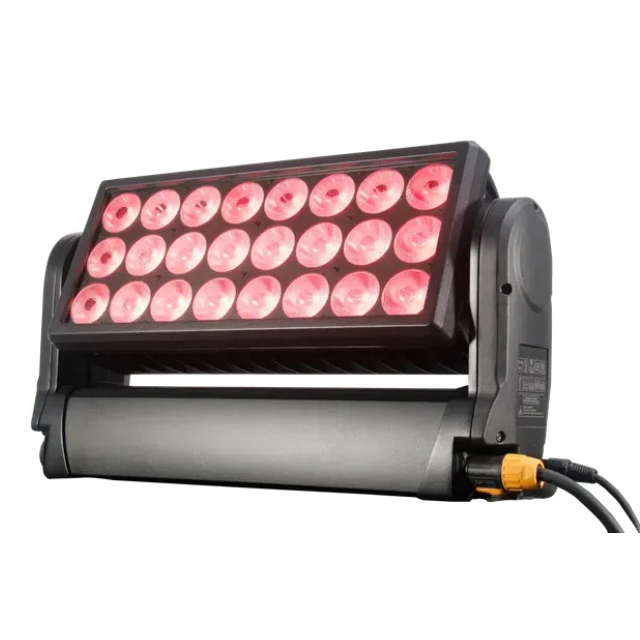
Simple, effective, boring. But necessary. You park these on the floor or hang them on a truss to flood an area with color. They are the canvas upon which you paint the other effects.
The nuclear option. Nothing raises the energy faster than a strobe light during a buildup. But use with caution—too much strobing is nauseating and can literally trigger health issues. Use them for impact, not as a constant effect.
Lasers cut through everything. They look cool, futuristic, and aggressive. Note: Be extremely careful with lasers. Never point them directly into the crowd's eyes unless you have specific safety-rated gear. You can damage cameras and retinas instantly.
Gobos are stencils for light. They turn a boring circle of light into a texture, a logo, or a break-up pattern. They add depth to the room so you aren't just projecting flat circles everywhere.
Here is a secret: Lights are invisible in clear air. If you want to see the beams, you need particulate matter in the air. A hazer or fog machine is the single best upgrade you can make to a light show. Without it, you're just lighting up the back wall.
Sync is King: Random flashing looks cheap. Even if it’s just a simple 4/4 beat sync, make sure the lights hit when the kick drum hits.
Less is More: Don't turn everything on at once. Build the visual journey just like you build a music set. Start with moody washes, bring in the movers later, and save the strobes for the peak.
Watch the Crowd: Don't blind them. If you have beam lights, point them over the heads of the audience, not directly into their faces.
Color Theory: Green and purple look "joker-ish." Red and Blue are classic. Amber looks great on skin tones. Learn what colors work together so your stage doesn't look like a bag of Skittles exploded.
Building a lighting rig is a journey. You start with a few pars, and next thing you know, you're programming DMX universes. But it’s worth it. The right lights turn a guy playing songs into a production.
Whether you are grinding in local clubs or setting up for a massive outdoor festival, the goal is the same: immersion. If you are looking for reliable gear to build out your rig, manufacturers like Guangzhou Baiyun District Shijing Taifeng Stage Lighting and Sound Equipment Factory have the inventory to take your setup from "meh" to pro. Get the lights, learn the controller, and put on a show.


